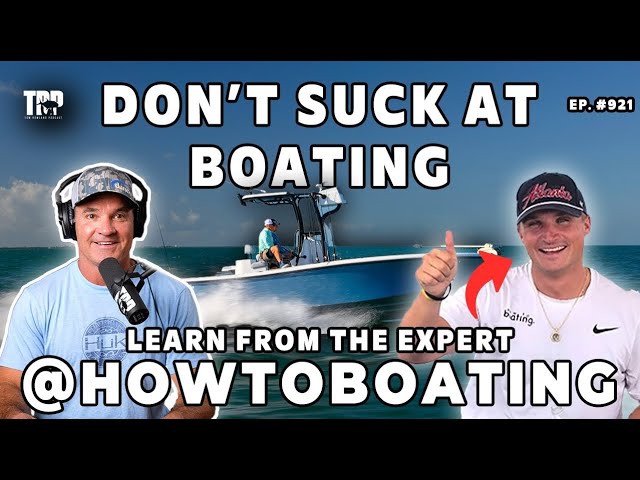
How To Boating: Insights from Captain Harley Hunt | Ep. #921
Captain Harley Hunt, founder of How To Boating, joins Tom to break down the fundamental boating skills that every captain should master. From understanding your boat's pivot point to reading navigation aids and mastering VHF radio protocols, Harley shares the practical knowledge he gained as a dive boat captain in Key West and yacht captain in Fort Lauderdale.
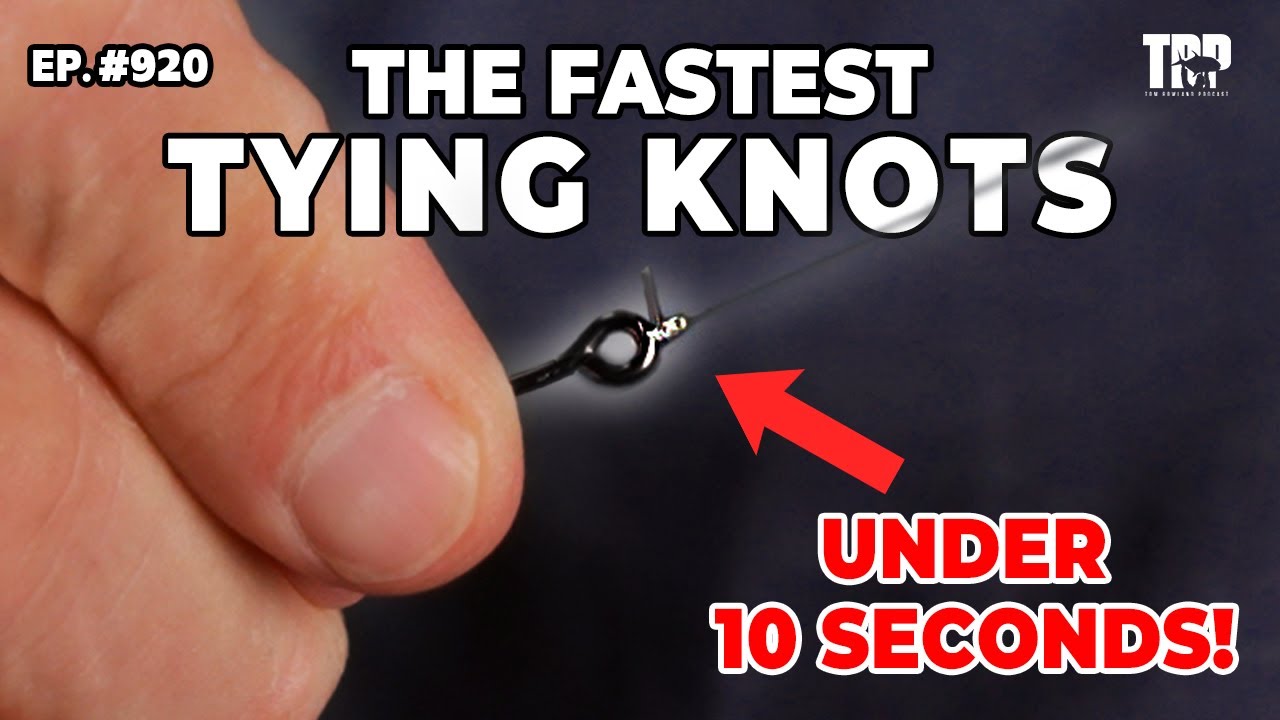
The Fastest Tying Knots
I break down the two fastest knots I tie, the clinch at 9.31 seconds and the blood knot at 19.64, and why speed beats strength under pressure. A How 2 Tuesday tutorial.
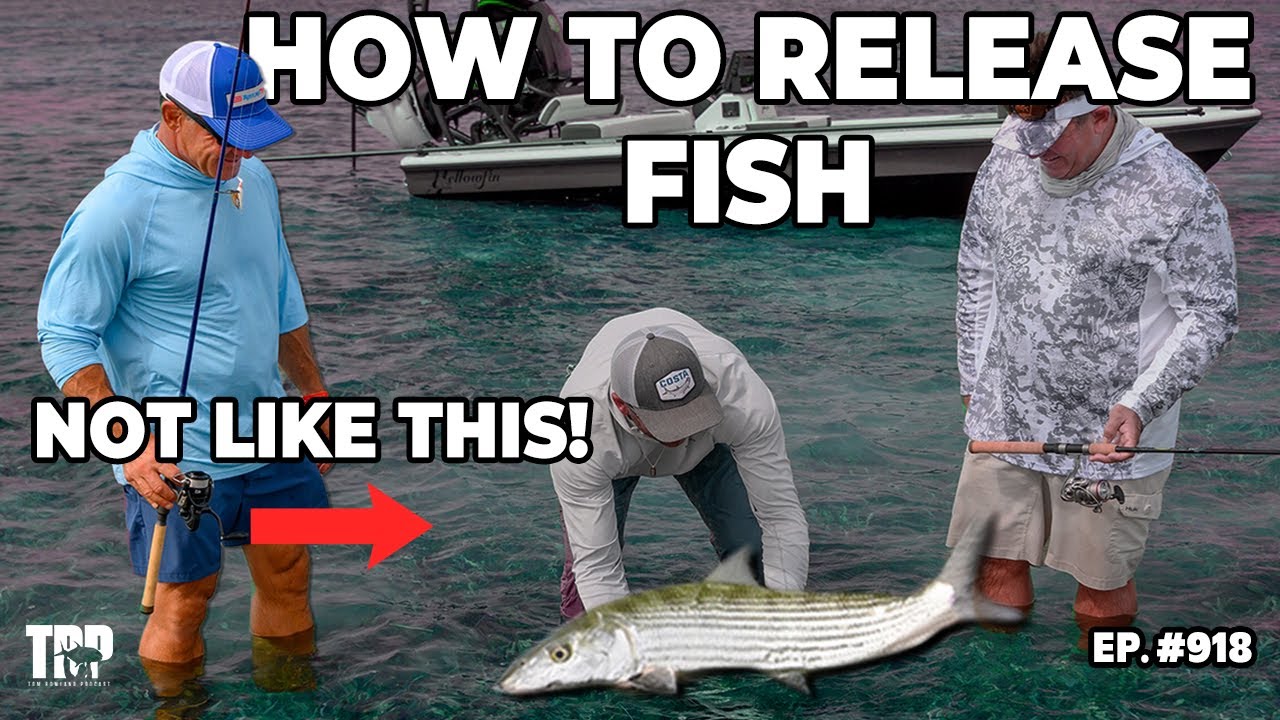
How To Safely Release Fish
I break down healthy fish handling: shorten the fight, never touch the fish, and unhook with a dehooker so it swims off strong. A How 2 Tuesday tutorial.
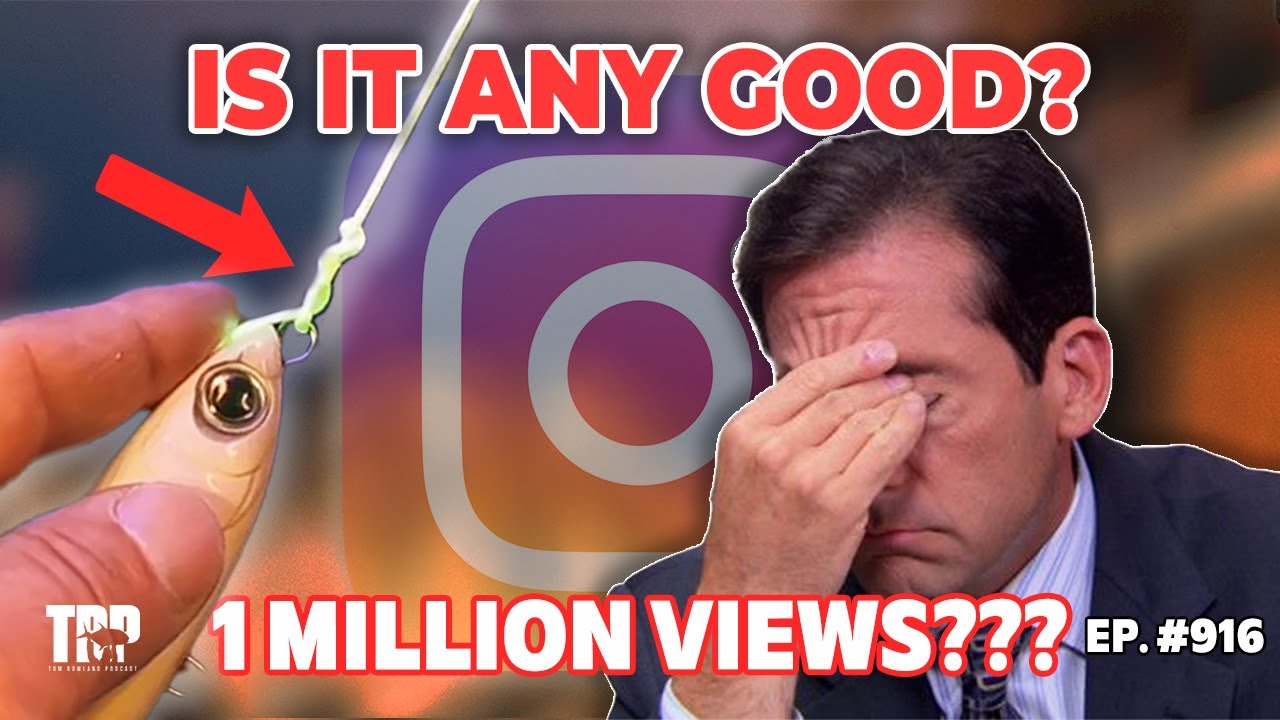
Testing Instagram's Most VIRAL Fishing Knot
I test Instagram's most viral fishing knot and it breaks at just 74 percent, below the original it copies. A How 2 Tuesday tutorial.
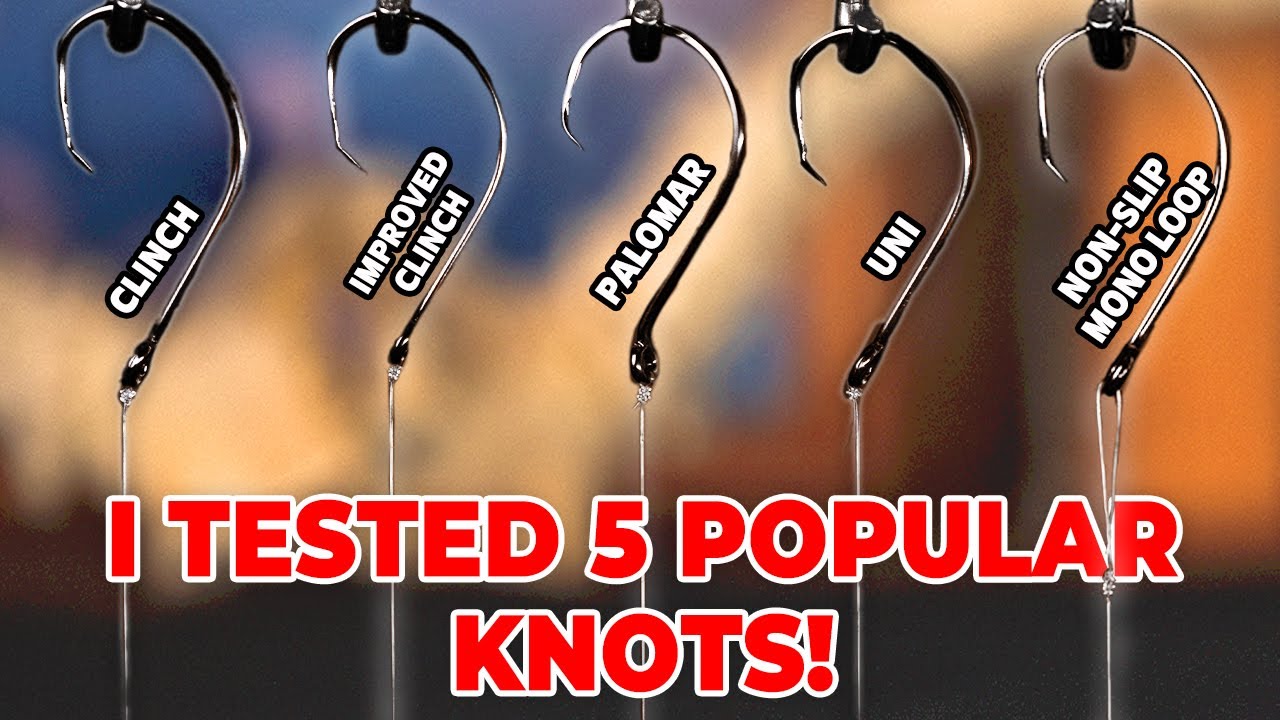
Which Fishing Knot is Worth Tying?
I test the five most popular hook knots and the Palomar wins at 97 percent, with the improved clinch at 90.5. A How 2 Tuesday tutorial.
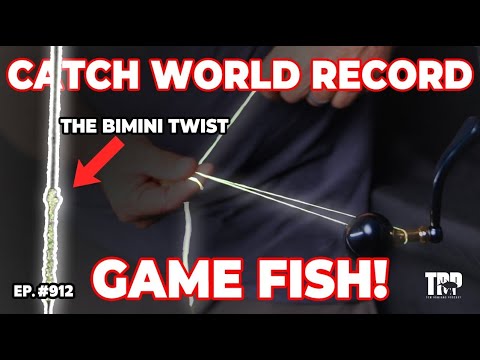
This Knot is GUARANTEED to be Stronger Than Your Line
I tie the Bimini twist step by step and prove the doubled loop is stronger than your single line, breaking in the single strand every time. A How 2 Tuesday tutorial.
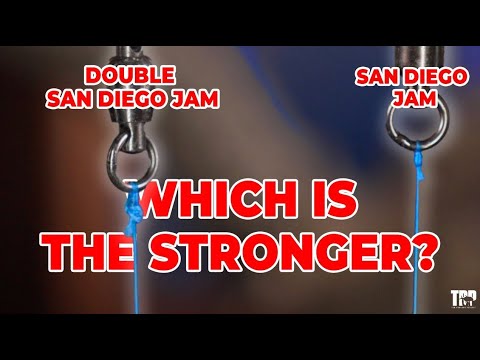
San Diego Jam Vs. Double San Diego Jam
I tie the single and double San Diego Jam and put both on the machine. The single broke at 26.91 pounds and the double at 30.93. A How 2 Tuesday tutorial.
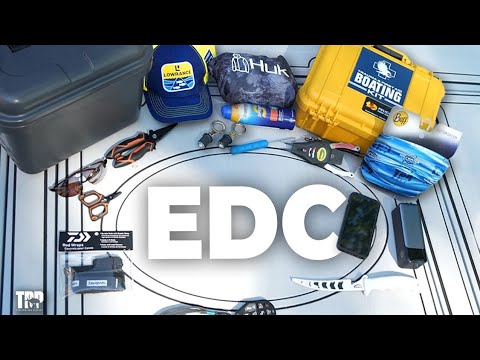
My Everyday Carry
I open my everyday carry box and walk through the inexpensive items and safety gear that can be total day enders if you forget them. A How 2 Tuesday tutorial.
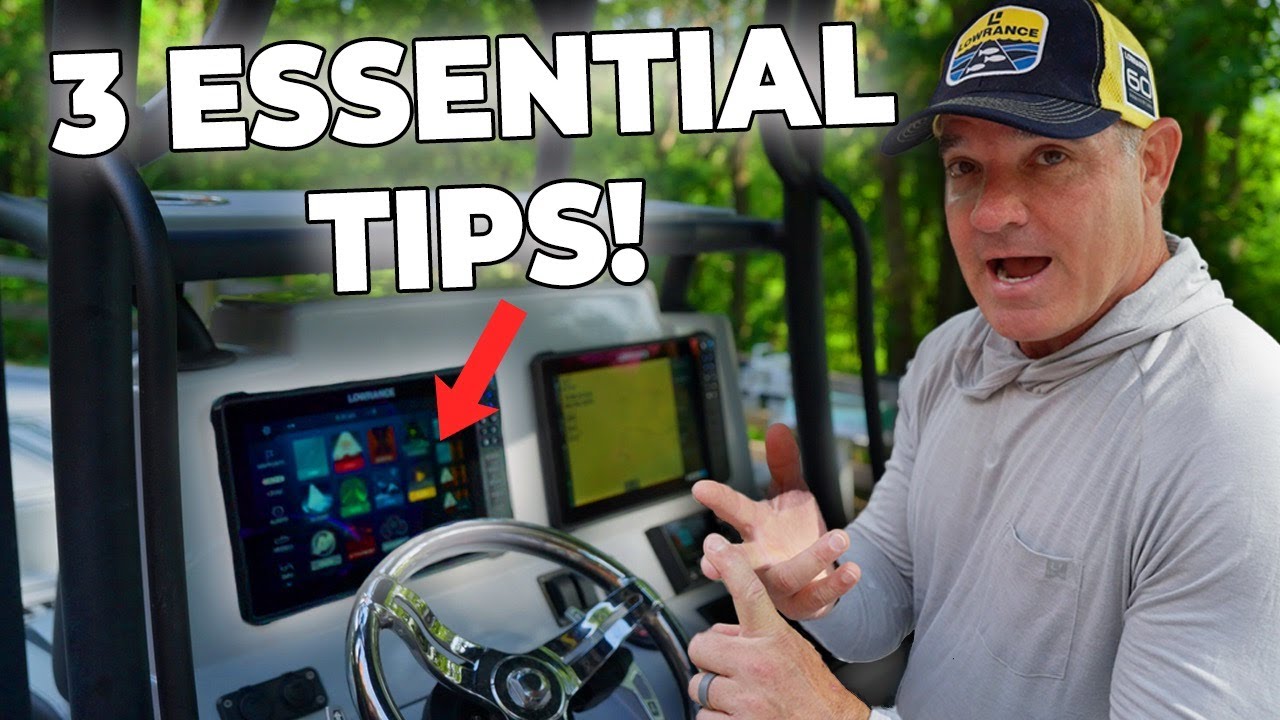
3 Essential Lowrance Screens to Make You a Better Fisherman
I walk through setting up three essential Lowrance screens so the data that matters most, remaining hours, state of charge, battery voltage, time, and water temperature, stays in front of you on the chart, the sonar, and a dedicated battery screen. A How 2 Tuesday tutorial.
How to Display Battery Info on a Lowrance With Lithium Pros
I show how to display real-time battery information on a Lowrance using the NEMA connection on my Lithium Pros battery and Power-Pole Move trolling motor, so I always know my remaining hours, voltage, and state of charge. A How 2 Tuesday tutorial.

HOW TO SCALE A BUSINESS! ADVICE FROM CAREER CEO Jeff Dudan! | TRP Ep. #905
Jeff Dudan is a seasoned career CEO who shares invaluable insights on business scaling and growth strategies in this episode of the Tom Rowland Podcast.
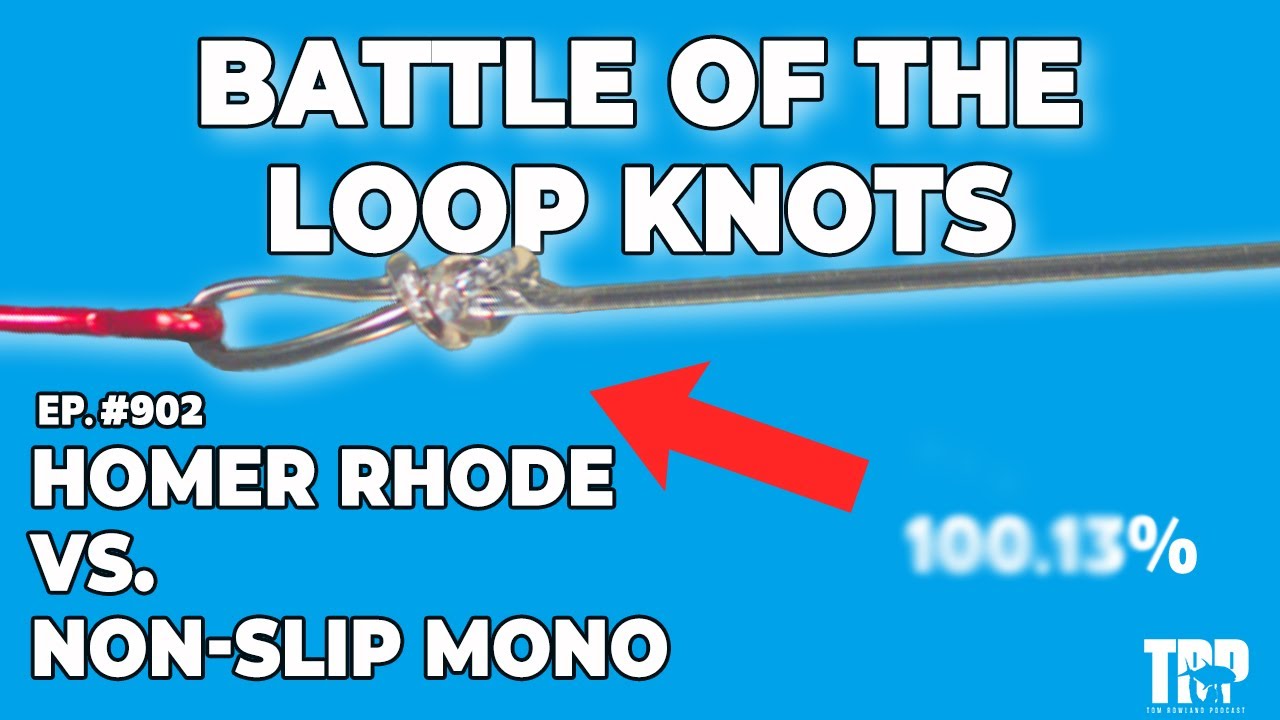
The Homer Rhode vs. The Non-Slip Mono Loop Knot Test
I test the Homer Rhode against the non-slip mono loop, and it is a no-brainer. The non-slip mono loop broke at 100.13 percent of line strength while the Homer Rhode came in at 68.14 percent. A How 2 Tuesday tutorial.
The Non-Slip Mono Loop vs. The Double Figure 8 Knot Test
I test the non-slip mono loop against the Steve Huff double figure 8. The non-slip won on strength at 100.13 percent versus 77.2 percent, but the double figure 8 is still my pick for the loop that pulls the straightest. A How 2 Tuesday tutorial.
The Loop Knot Showdown: Steve Huff Double Figure 8 vs. Homer Rhode
I run a loop knot showdown between two of the most important loop knots in my fishing, the Steve Huff double figure 8 and the Homer Rhode. The double figure 8 won at 77.2 percent versus 68.14 percent. A How 2 Tuesday tutorial.
The Palomar Knot vs. The Improved Clinch Strength Test
I run the battle of beginner knots, the Palomar against the improved clinch. The Palomar edged it out at 91.36 percent of line strength versus 85.15 percent for the improved clinch. A How 2 Tuesday tutorial.
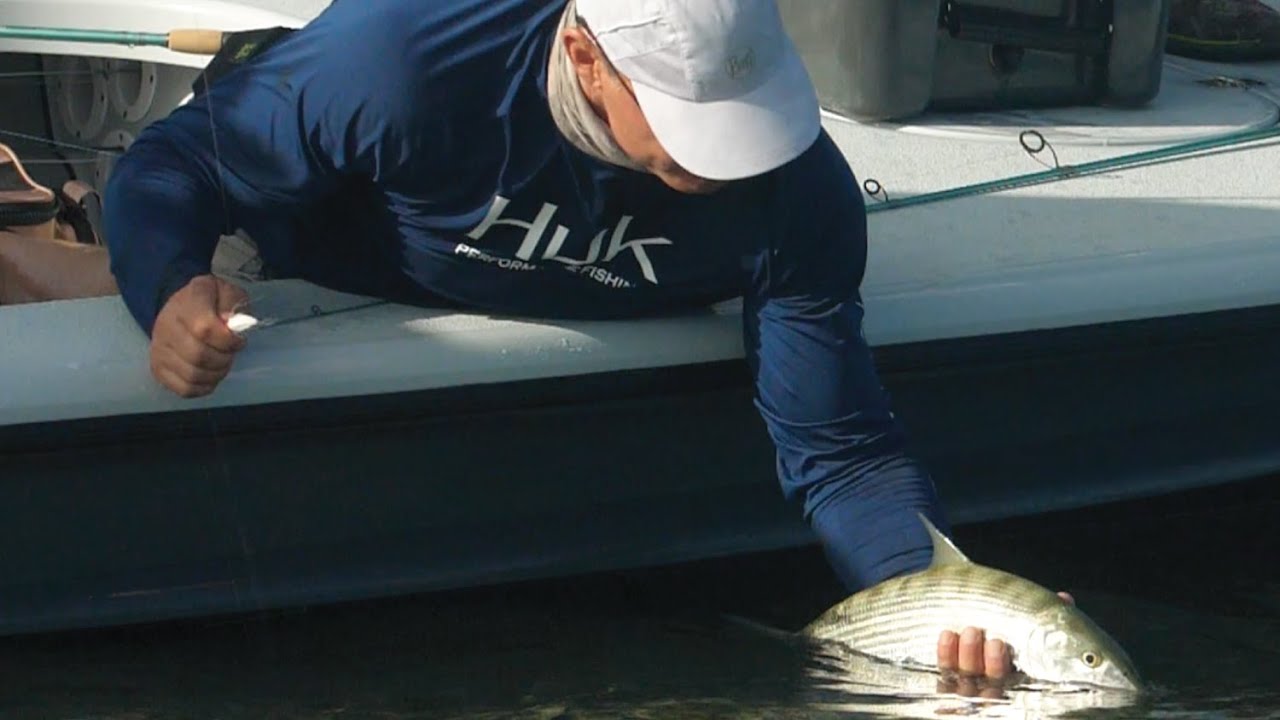
Improved Clinch vs. Palomar Knot - Which Is Stronger? | Tom Rowland Podcast Ep. 629
In this How 2 Tuesday episode, Tom Rowland continues his knot wars series by testing two of the most common line-to-lure connections: the improved clinch knot versus the palomar knot.
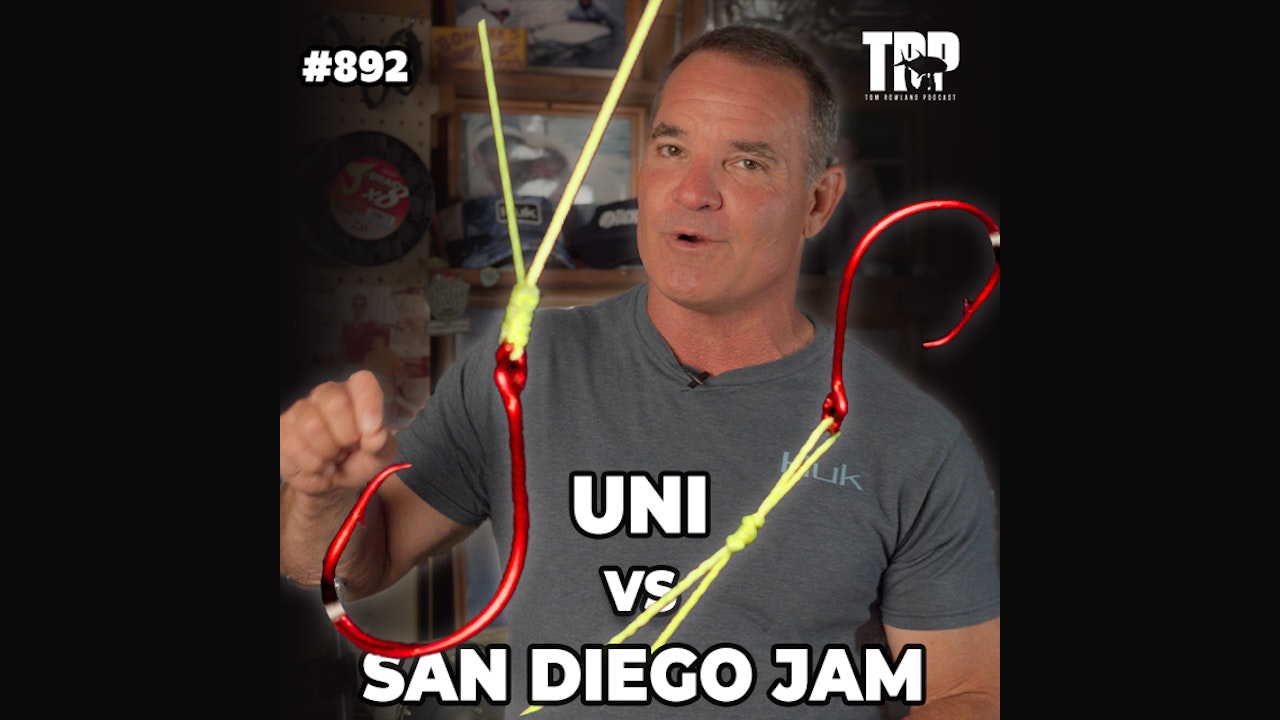
The Uni Knot vs. The San Diego Jam Knot Strength Test
I run an East Coast versus West Coast knot battle: the uni knot (five turns) against the San Diego Jam (seven turns) in 20-pound Daiwa J Braid fluorocarbon. The San Diego Jam broke at 20.08 and the uni edged it at 20.24. A How 2 Tuesday tutorial.
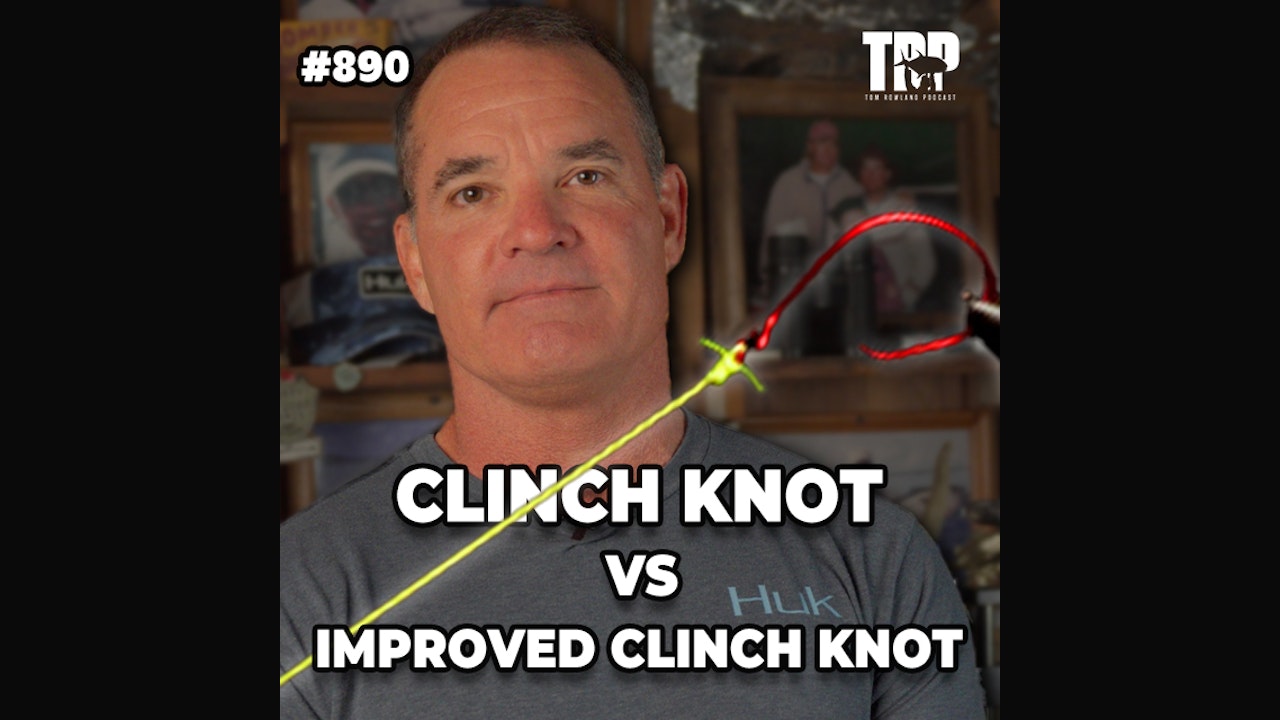
The Clinch Knot vs. The Improved Clinch Knot Strength Test
I tie and test the basic clinch knot against the improved clinch knot to see if that one extra step is worth it. With 20-pound Daiwa J Fluoro the clinch held 84.25 percent and the improved clinch edged it at 85.15 percent. A How 2 Tuesday tutorial.
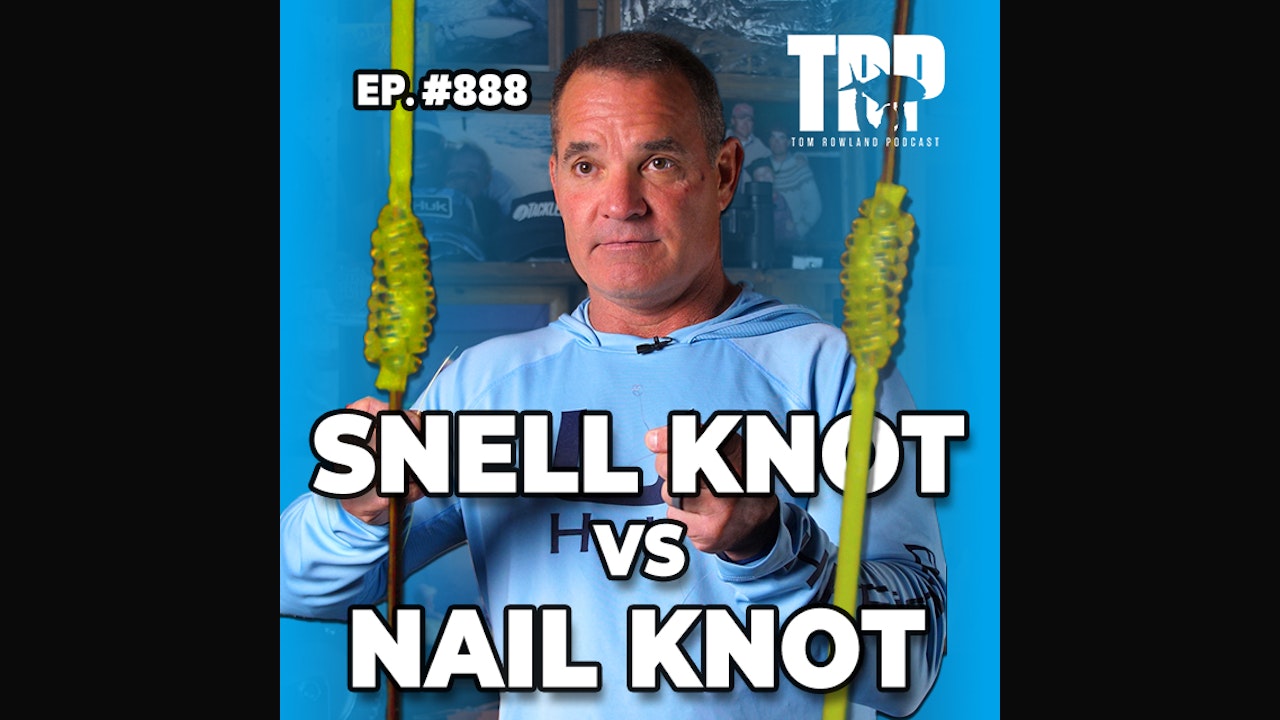
Flip Pallot's Snell Knot vs. My Nail Knot for Fly Line
I tie and test what Flip Pallot calls a snell knot against my own nail knot for connecting fly line to leader. Both broke at about 21.75 pounds by slipping off the fly line coating, which tells you everything about where these connections work and where they don't. A How 2 Tuesday tutorial.

The Nail Knot with a Lock: Tie It and Test It
I tie the nail knot with a lock, a fly line to leader connection with a figure-eight lock that keeps it from slipping on big fish, then test it. It broke at 28.58 pounds. A How 2 Tuesday tutorial.
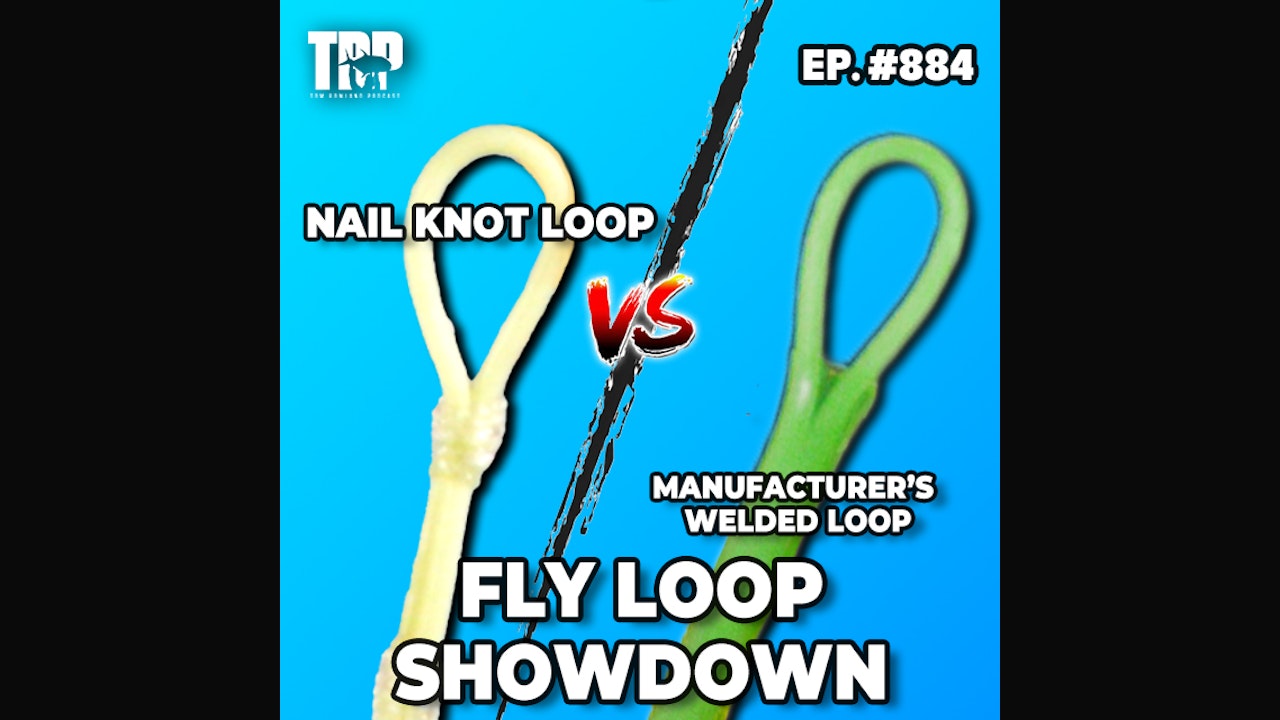
Manufacturer's Welded Loop vs. The Nail Knot Loop: Which Is Stronger?
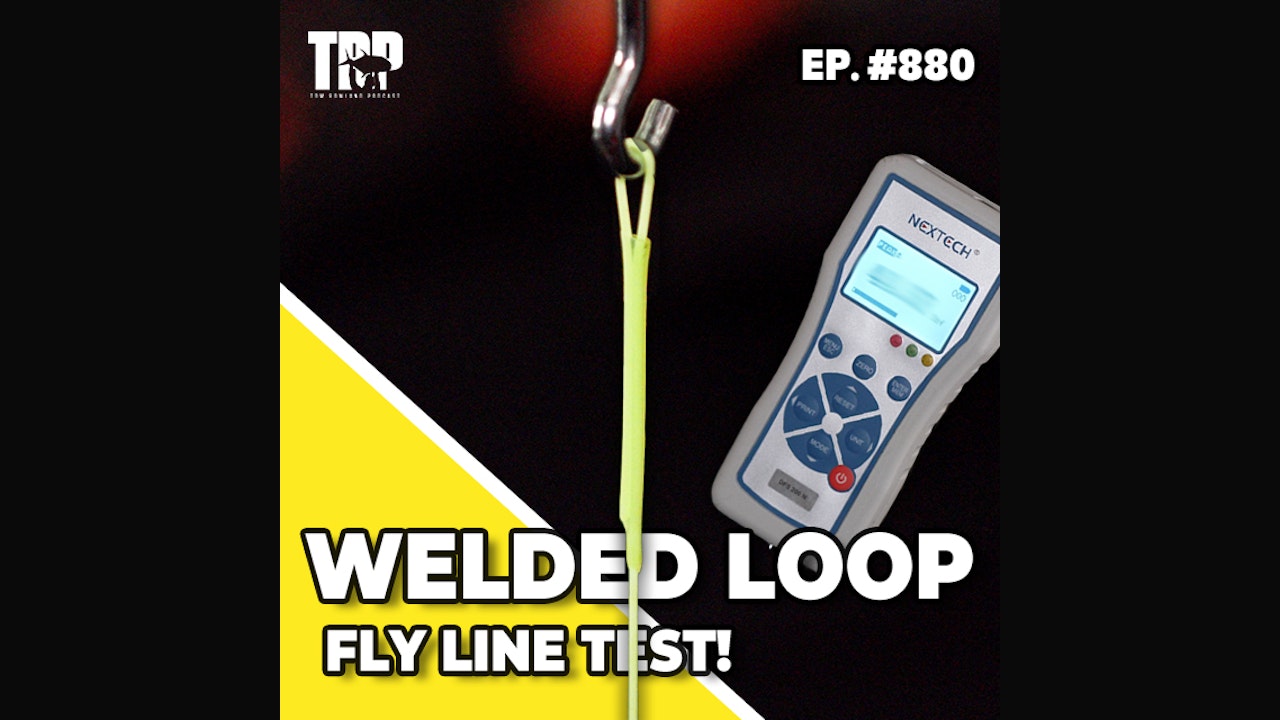
I put the manufacturer's welded loop head-to-head against a nail-knot loop I tied myself. The welded loop won, stronger than the line itself, while my loop slipped. A How 2 Tuesday tutorial.
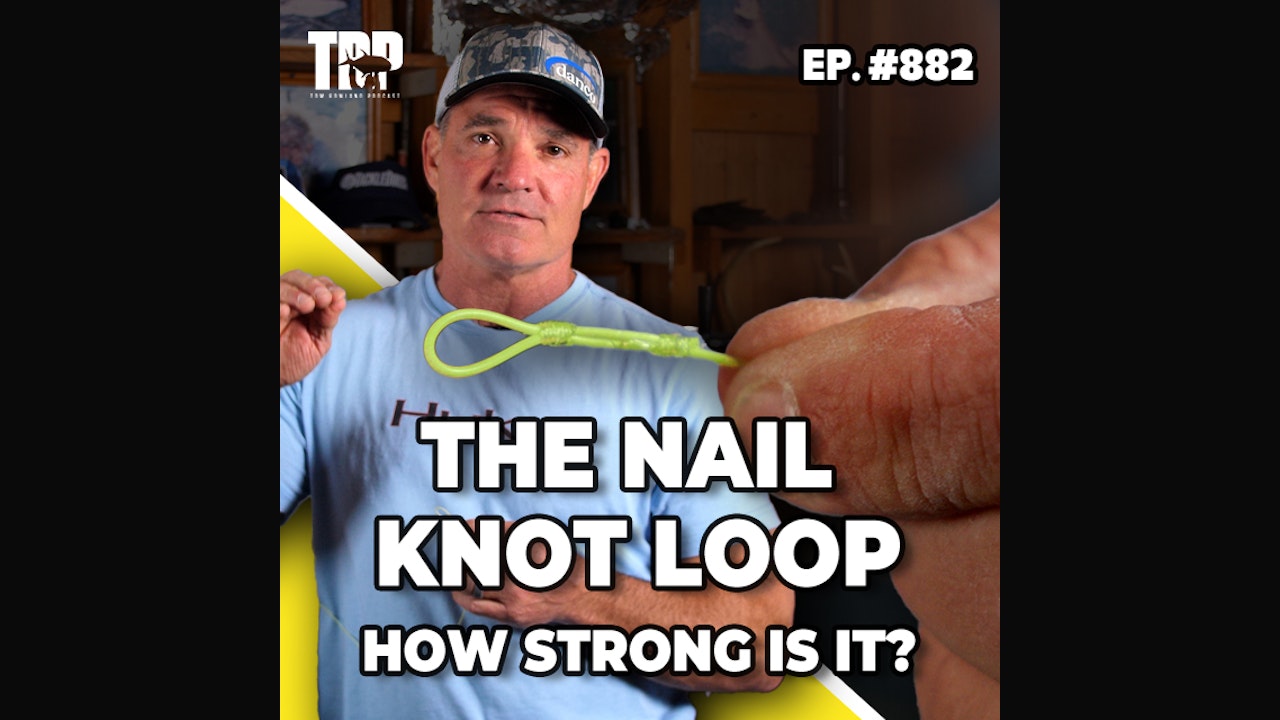
Whipping a Loop in Fly Line with Double Nail Knots: How Strong Is It?
I show how to whip your own loop in a fly line using double nail knots and the Tie Fast tool, then test it. The loop slipped at 39.81 pounds, still plenty for tarpon. A How 2 Tuesday tutorial.