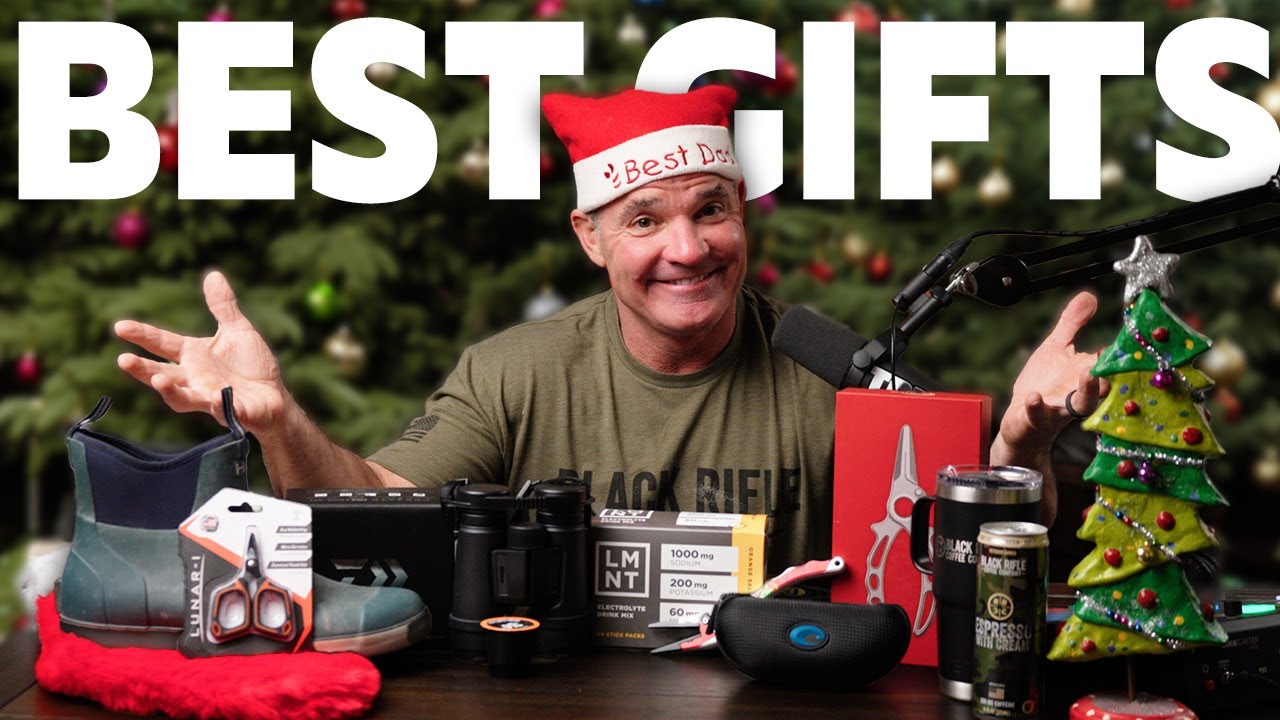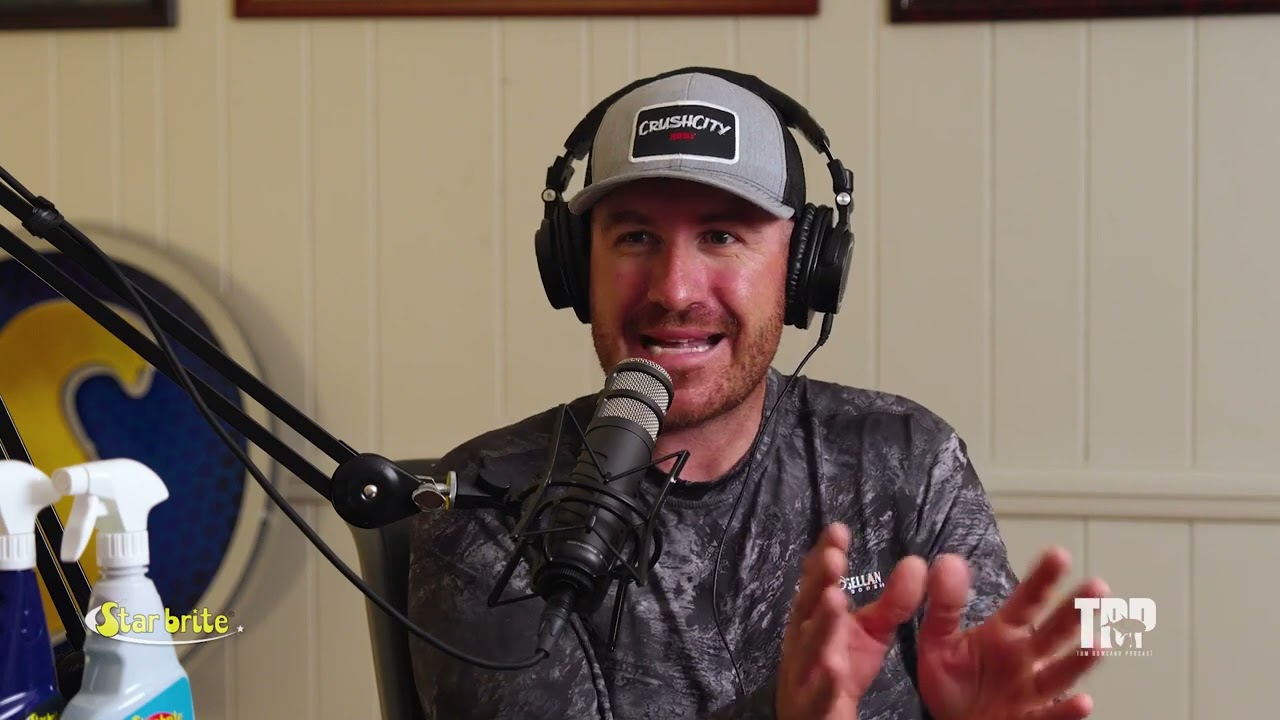
Jacob Wheeler's Forward-Facing Sonar Secrets for Lowrance ActiveTarget 2
Professional bass fisherman Jacob Wheeler joins me to break down how to dial in forward-facing sonar on Lowrance ActiveTarget 2, contrast, StableView, and transducer angle. A How 2 Tuesday tutorial.
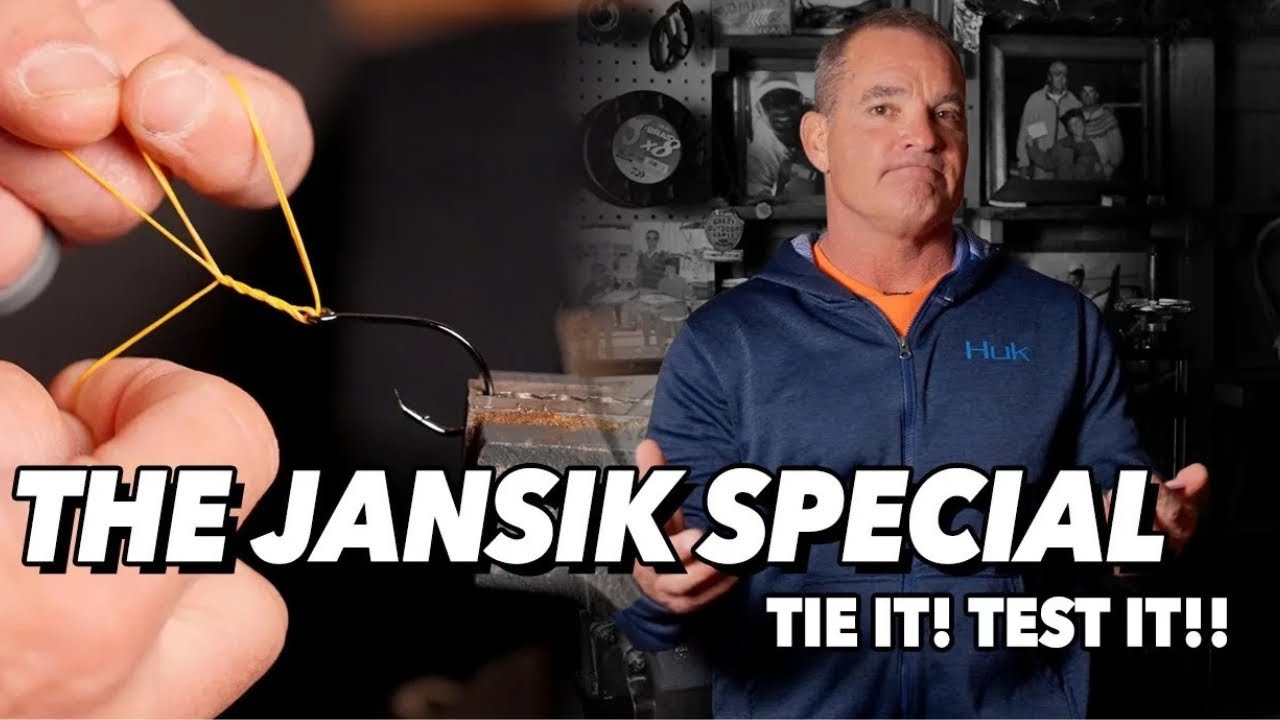
How to Tie and Test the Jansick Special Knot
I tie the Jansick Special, a saltwater line-to-leader connection knot, walk through it step by step, and test how strong it really is. A How 2 Tuesday tutorial.

Jack's Knot - How to Tie, Test & Use It | Tom Rowland Podcast Ep. 872
In Episode 872 of the Tom Rowland Podcast, host Tom Rowland delivers a focused tutorial on Jack's Knot—a fishing knot designed for specific applications where strength and reliability matter.
Tom Rowland | Ask Me Anything on Fishing, Content & Life | Tom Rowland Podcast Ep. 871
In Episode 871 of the Tom Rowland Podcast, host Tom Rowland takes questions directly from listeners in an Ask Me Anything format covering fishing techniques, content creation strategies, and life philosophy.
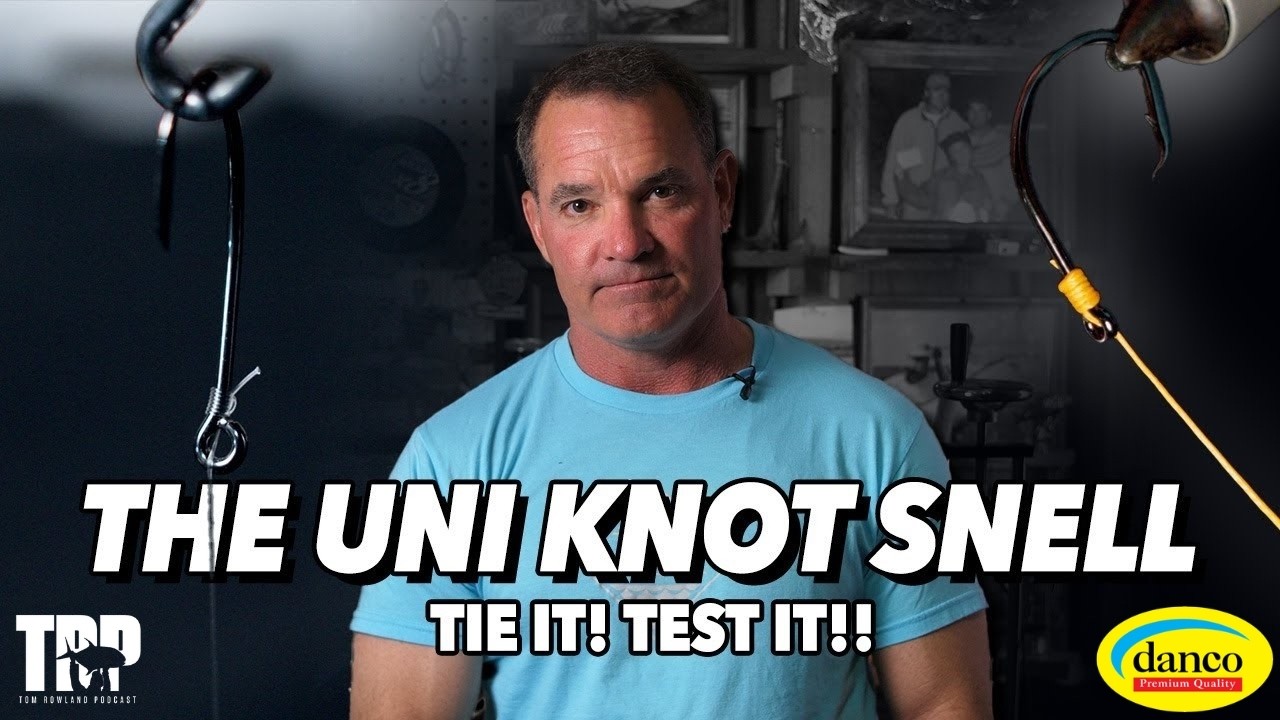
How to Tie and Test the Uni Knot Snell
I tie the uni-knot version of the snell, a uni knot wrapped around the shank of the hook, run through the front of the eye for a better hookset, and test it. A How 2 Tuesday tutorial.
Tom Rowland | The Uni Knot Snell - Tie it! Test it!! | Tom Rowland Podcast Ep. 870
Tom Rowland, host of the Tom Rowland Podcast, reveals two different methods for tying the snell knot in this episode focused on fishing knot techniques and strength testing.

The Snell Knot: Tie It and Test It
I tie the Snell knot, a uni knot tied over the hook used by top sailfishermen, and test it. It breaks at 93 percent, but the angle of pull is why anglers trust it. A How 2 Tuesday tutorial.
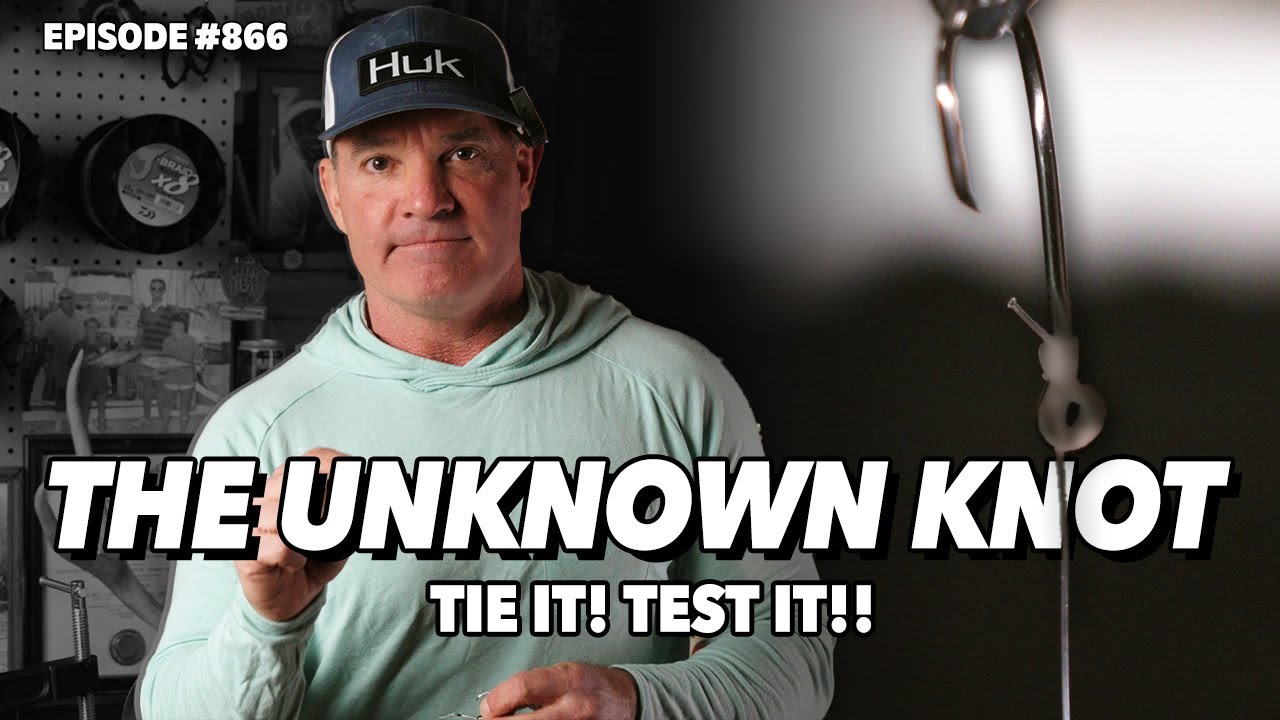
The Unknown Knot: Tie It, Test It
I tie and test the Unknown knot, a no-name line-to-hook connection from Instagram that broke over 100 percent every time and failed in the line, not the knot. The strongest hook knot I have tested. A How 2 Tuesday tutorial.

The No Name Knot: Tie It, Test It
I tie and test the No Name knot, also called the Bristol knot, which joins a leader to a bimini loop. 20 pound braid to 40 pound fluorocarbon averaged 77.1 percent, a bit disappointing. A How 2 Tuesday tutorial.
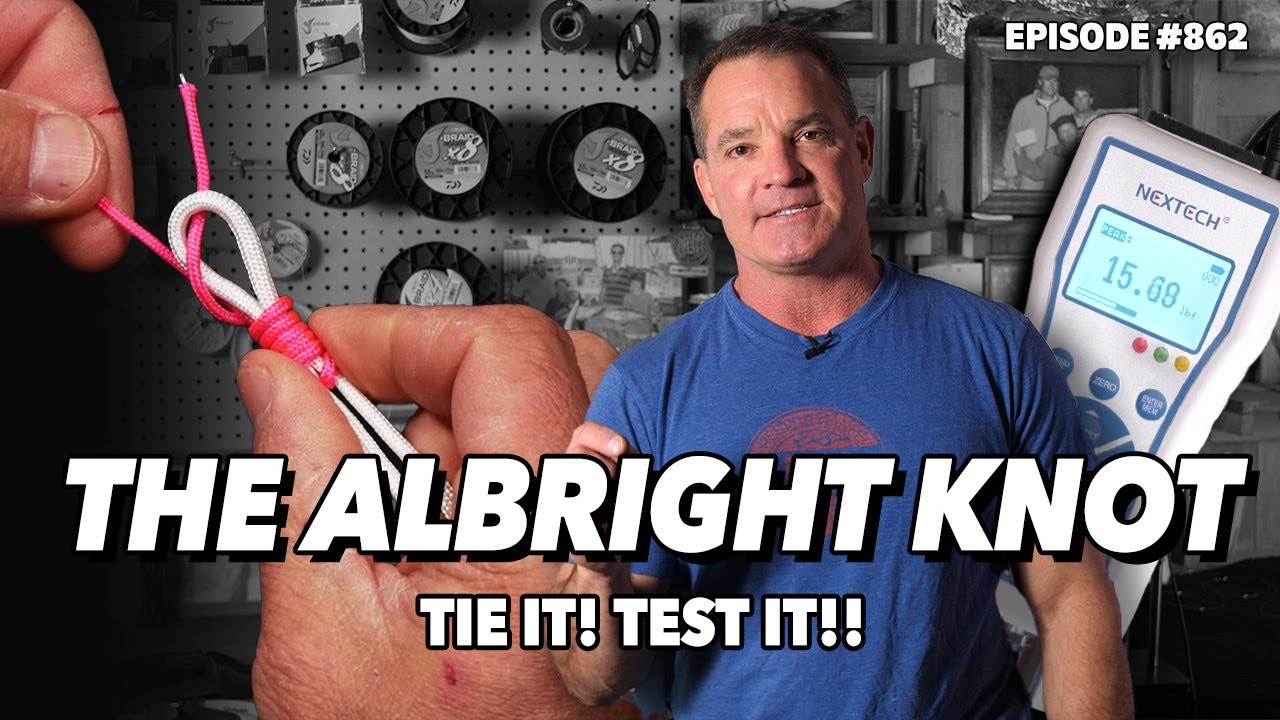
The Albright Knot: Tie It, Test It
I tie and test the Albright knot, a connection for dissimilar lines. 20 pound braid to 40 pound fluorocarbon averaged 70 percent, disappointing for braid to fluoro but great for wire to mono. A How 2 Tuesday tutorial.
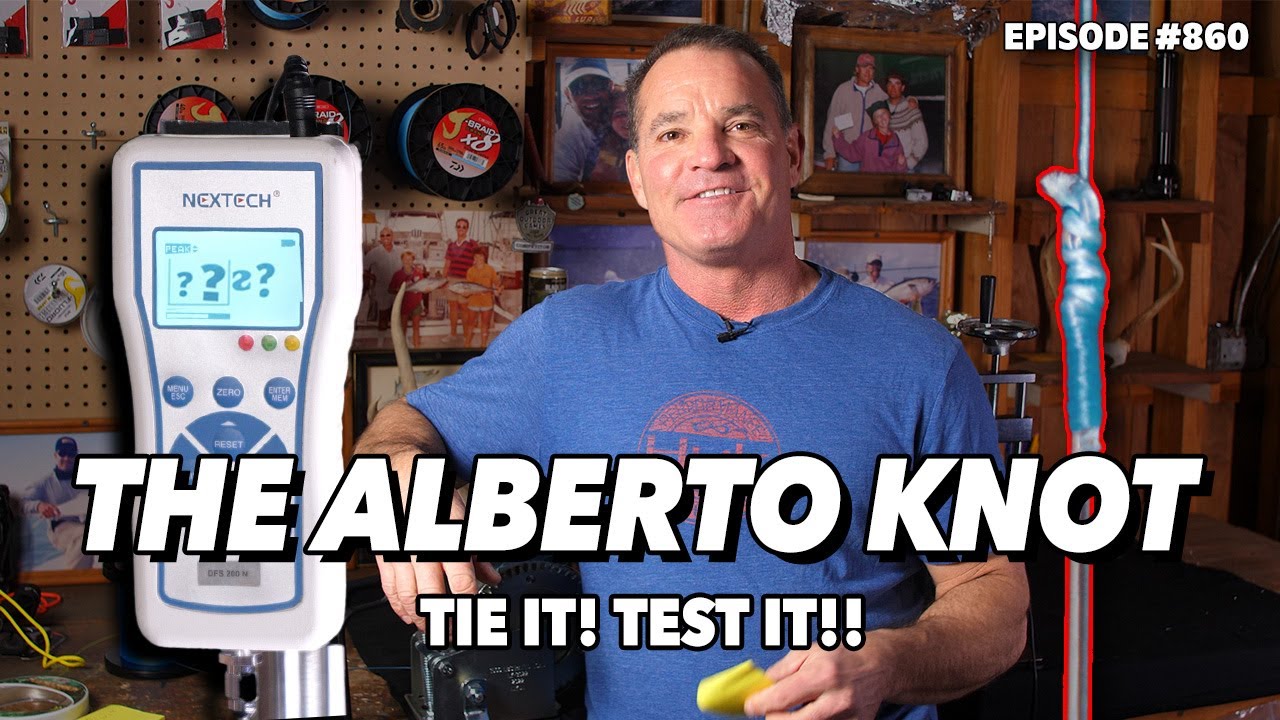
The Alberto Knot: Tie It, Test It
I tie and test the Alberto knot, a connection for dissimilar lines. 20 pound braid to 40 pound fluorocarbon averaged 82.85 percent, a little disappointing for braid to fluoro. A How 2 Tuesday tutorial.
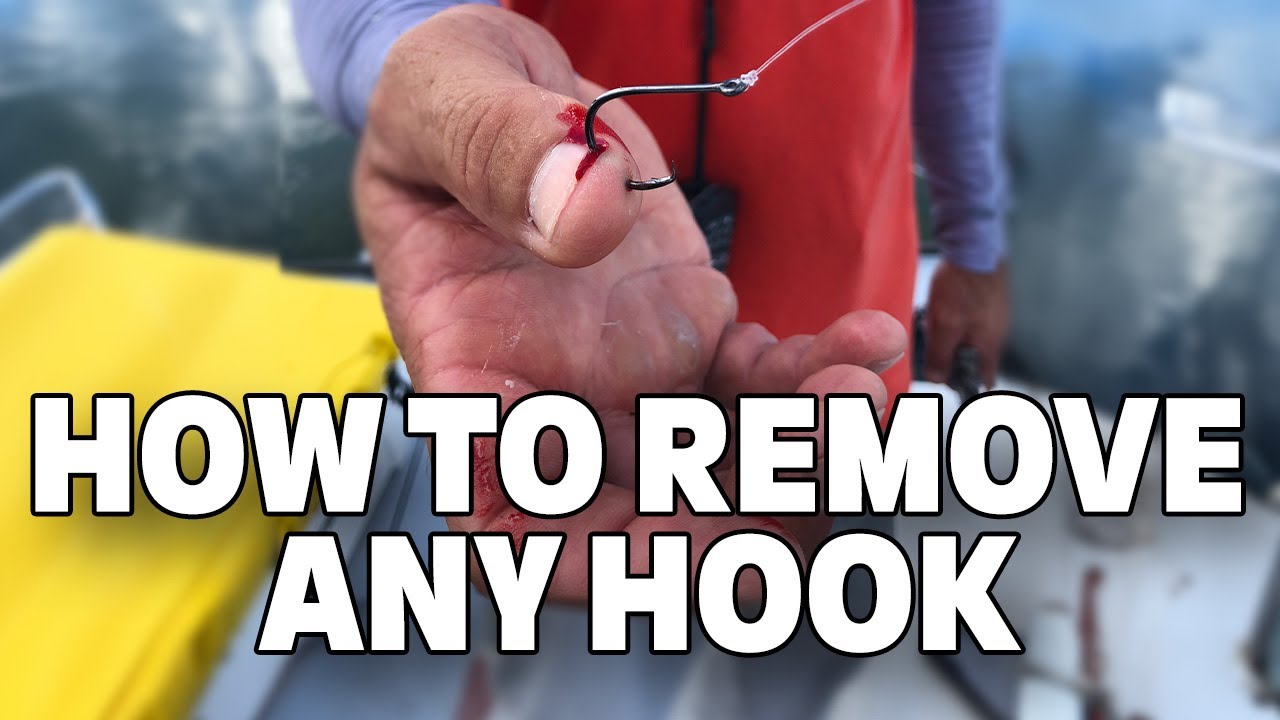
How to Remove ANY Fish Hook From Your Hand
I explain how to remove any fish hook from your hand, push it through and back it out, or cut below the barb with real hook cutters, because cheap pliers will not cut a hardened hook. A How 2 Tuesday tutorial.

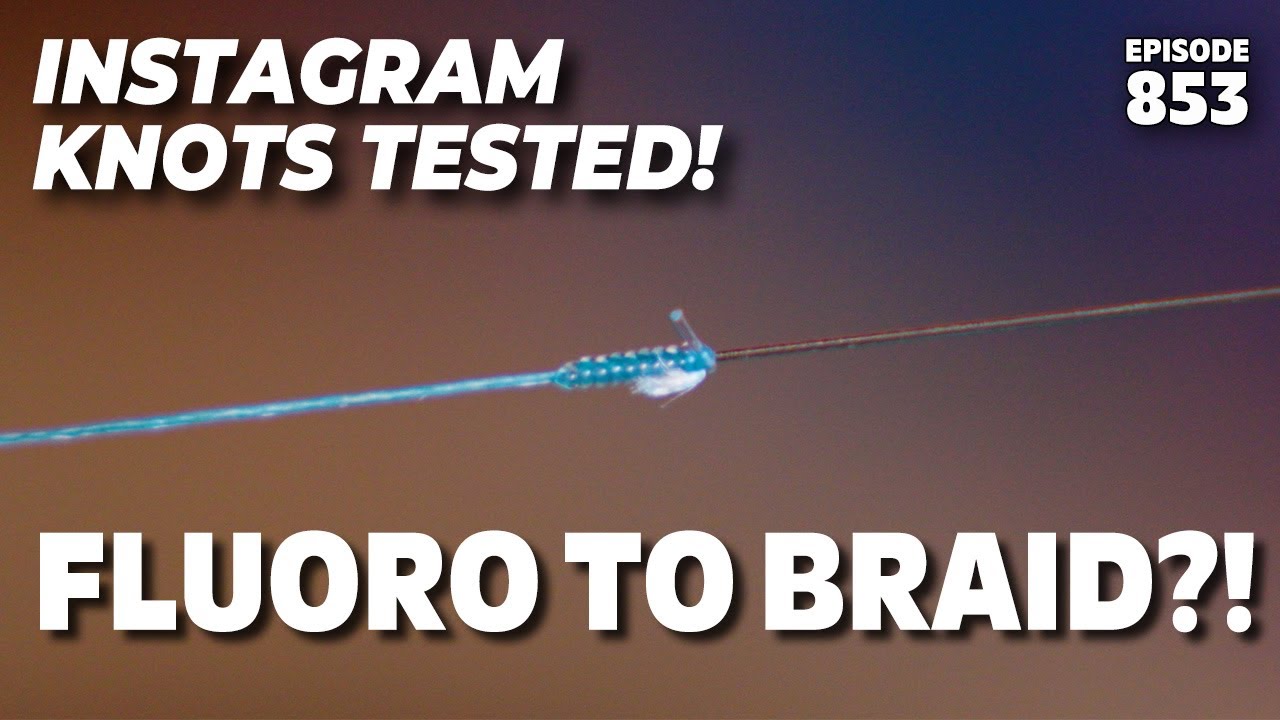
Instagram Knots Tested: Another Fluorocarbon to Braid Connection
I tie and test a fluorocarbon-to-braid knot from Instagram, a three-turn uni against a six-turn clinch. 15 pound fluoro to 20 pound braid, only 59 percent, a thumbs down. A How 2 Tuesday tutorial.

Tom Rowland | Zombie Marlin and Monster Pythons in the Everglades | Tom Rowland Podcast Ep. 855
Tom Rowland, host of the Tom Rowland Podcast and saltwater fishing expert, shares wild encounters and outdoor adventures in this solo episode.

Tom Rowland | Introducing Fantastic Friday! | Tom Rowland Podcast Ep. 852
Fantastic Friday is a new weekly episode format launched by Tom Rowland that features listener success stories, viewer questions, and community highlights.

Instagram Knots Tested: Better than the Non-Slip? | Tom Rowland Podcast Ep. 850
Tom Rowland tests viral fishing knots from Instagram to see if they outperform the trusted non-slip mono loop in this How 2 Tuesday episode of the Tom Rowland Podcast.
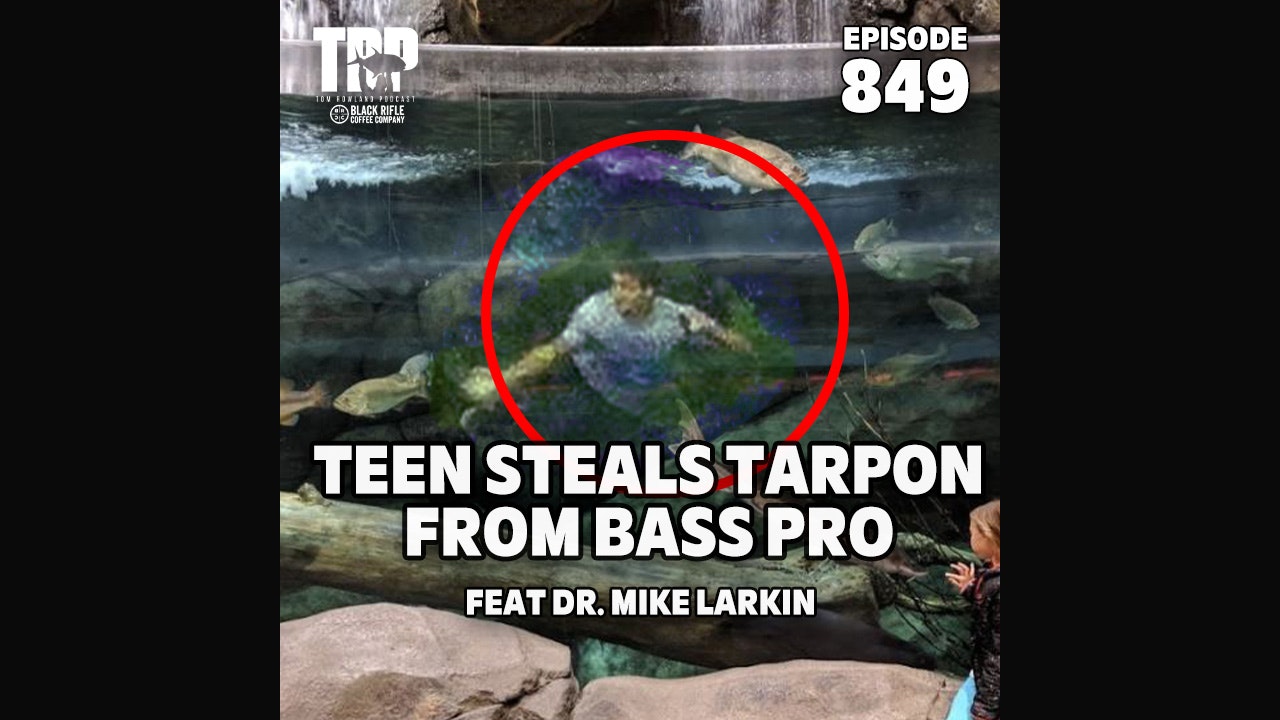
Tom Rowland | Teen Steals Tarpon from Bass Pro & Zombie Snook | Tom Rowland Podcast Ep. 849
A teenager stole a mounted tarpon from a Bass Pro Shops in Tampa, Florida. The theft was captured on surveillance video and shared widely on social media.

Instagram Knots Tested: The First 100% Instagram Knot
I tie and test the first Instagram knot to break over 100 percent, a no-name line-to-hook connection from fishing minutes. 15 pound fluorocarbon to the hook, broke in the line, A plus. A How 2 Tuesday tutorial.
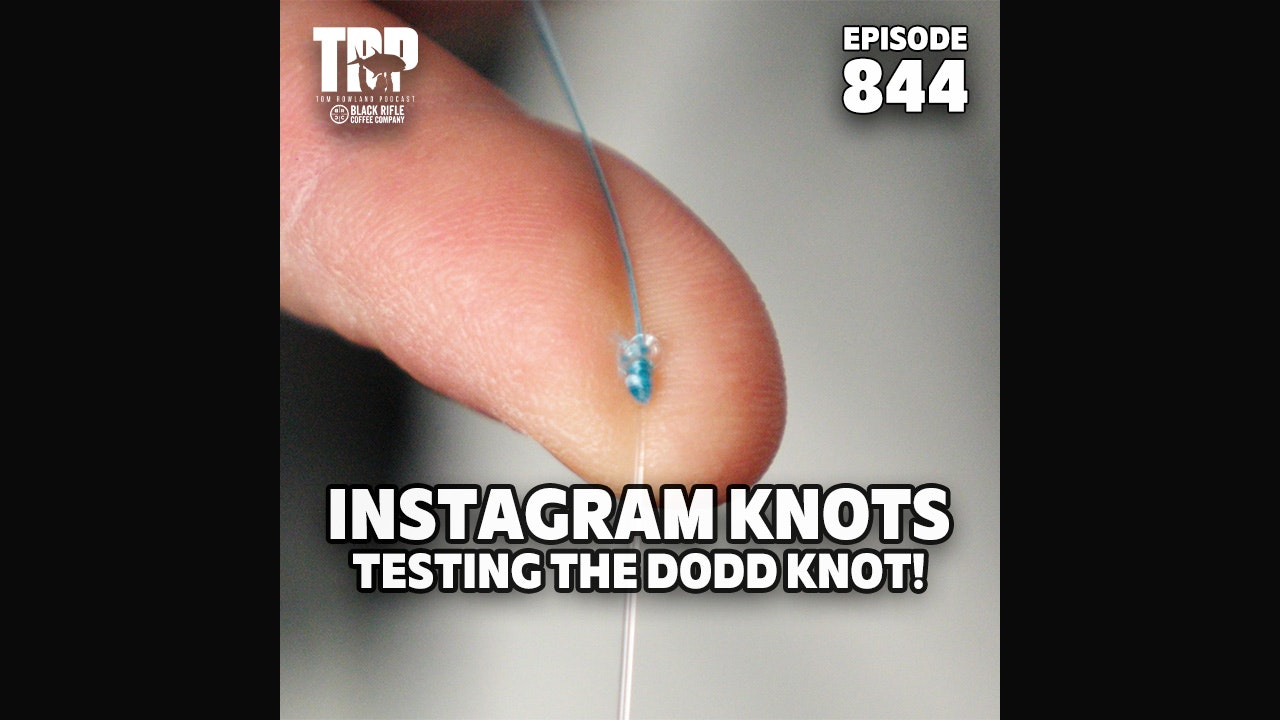
Instagram Knots Tested: The Dodd Knot
I tie and test the Dodd knot, a braid-to-fluorocarbon connection from Instagram named after guide John Dodd. 20 pound braid to 40 pound fluoro, very consistent, but only about 75 percent. A How 2 Tuesday tutorial.
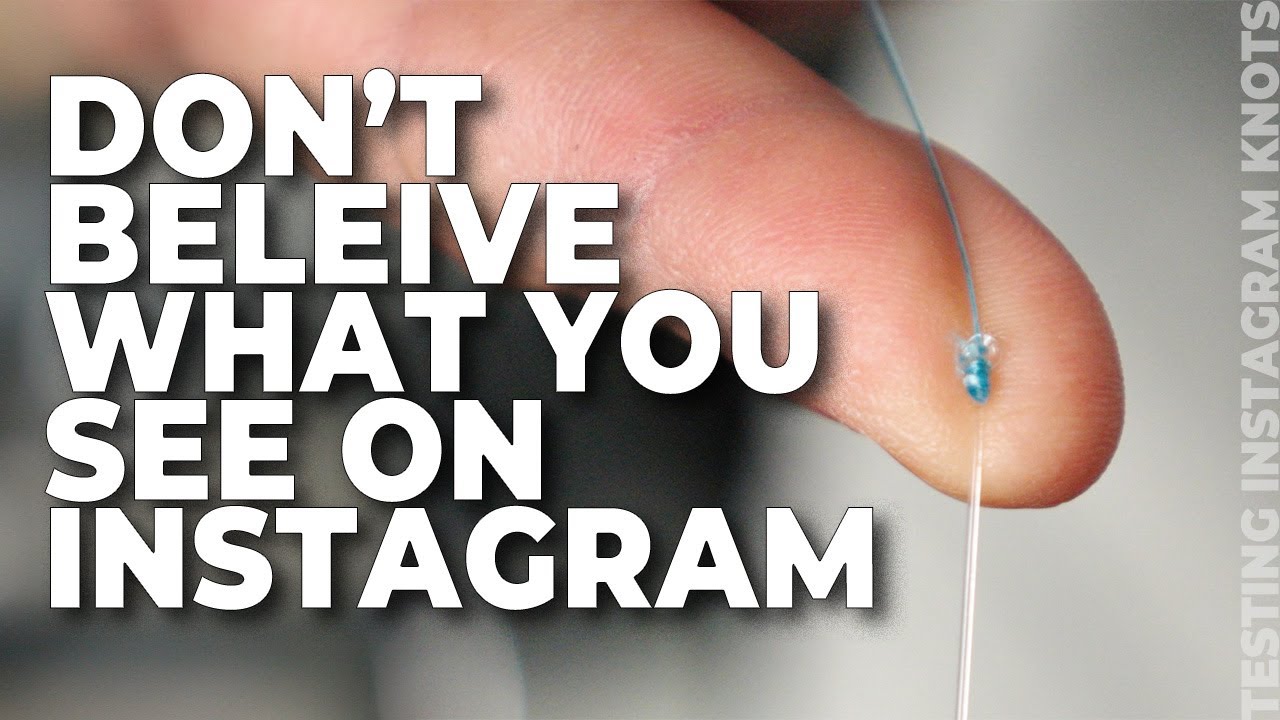
EP 844
The Dodd Knot is a braid-to-fluorocarbon leader connection that gained popularity on Instagram and was requested by numerous Tom Rowland Podcast followers.

Snakeaholic | Fighting Florida's Most Dangerous Snakes & Gators | Tom Rowland Podcast Ep. 842
Snakeaholic explains why cottonmouths are more dangerous than rattlesnakes, how to prevent alligator attacks, and the truth about Florida's venomous snakes.