EP 837 - Kevin Cullum, The Push Up Guy | Physical Friday
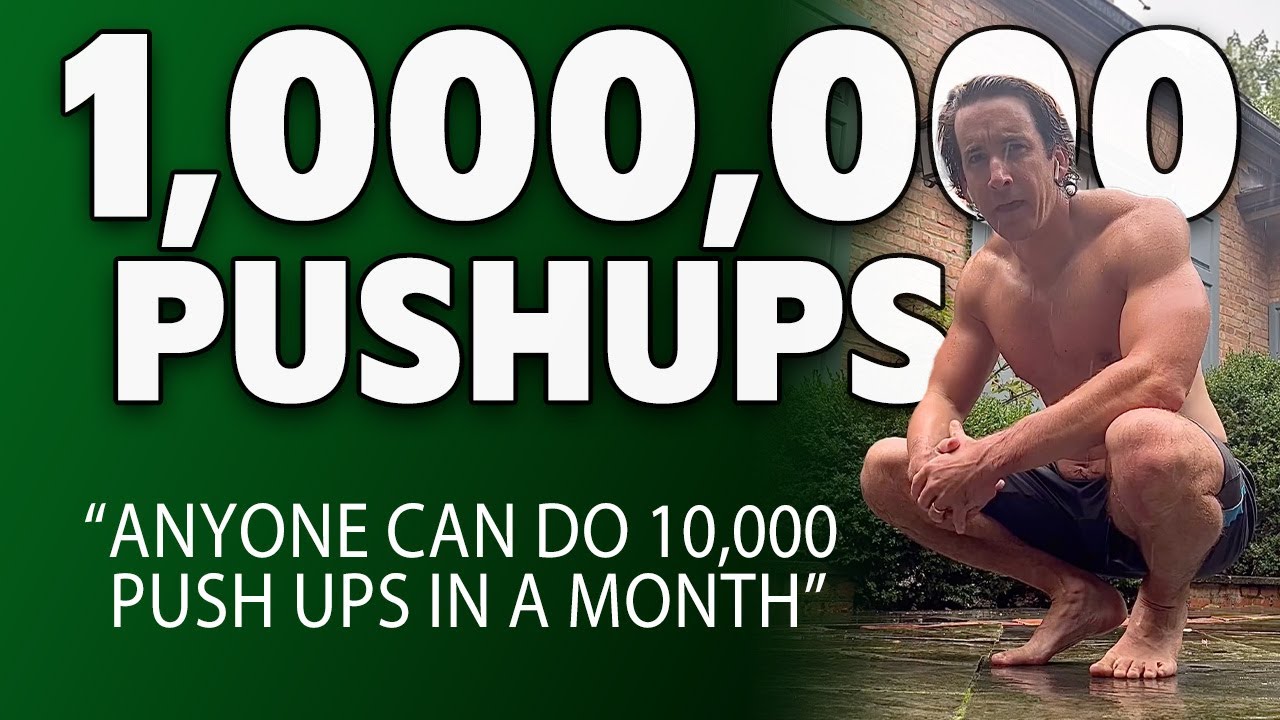
Kevin Cullum, who has completed over 800,000 push ups in eight years, recommends starting small by doing 10 push ups in the morning and 10 at night. He emphasizes that anyone can do it and consistency is key.

The Ranger Angler | Life and Fishing After Military Service | Tom Rowland Podcast Ep. 828
The Ranger Angler, U.S. Army Ranger veteran, shares his journey from military service to professional fishing guide, dealing with PTSD, and finding healing on the water.
How to Tie and Test the Slim Beauty Knot
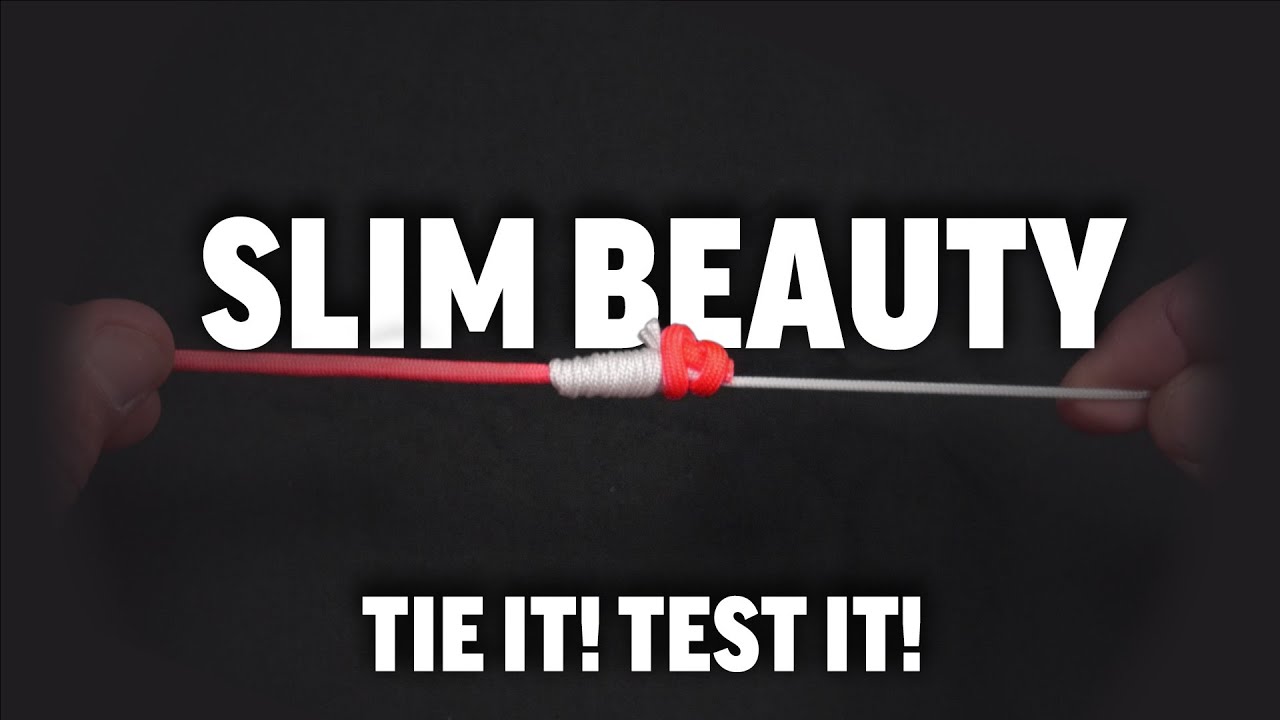
I tie and test the Slim Beauty knot, the line-to-line connection Simon Becker and I invented in the Florida Keys to replace the bimini twist in a tarpon leader. 12 pound to 50 pound, 107 percent breaking strength.
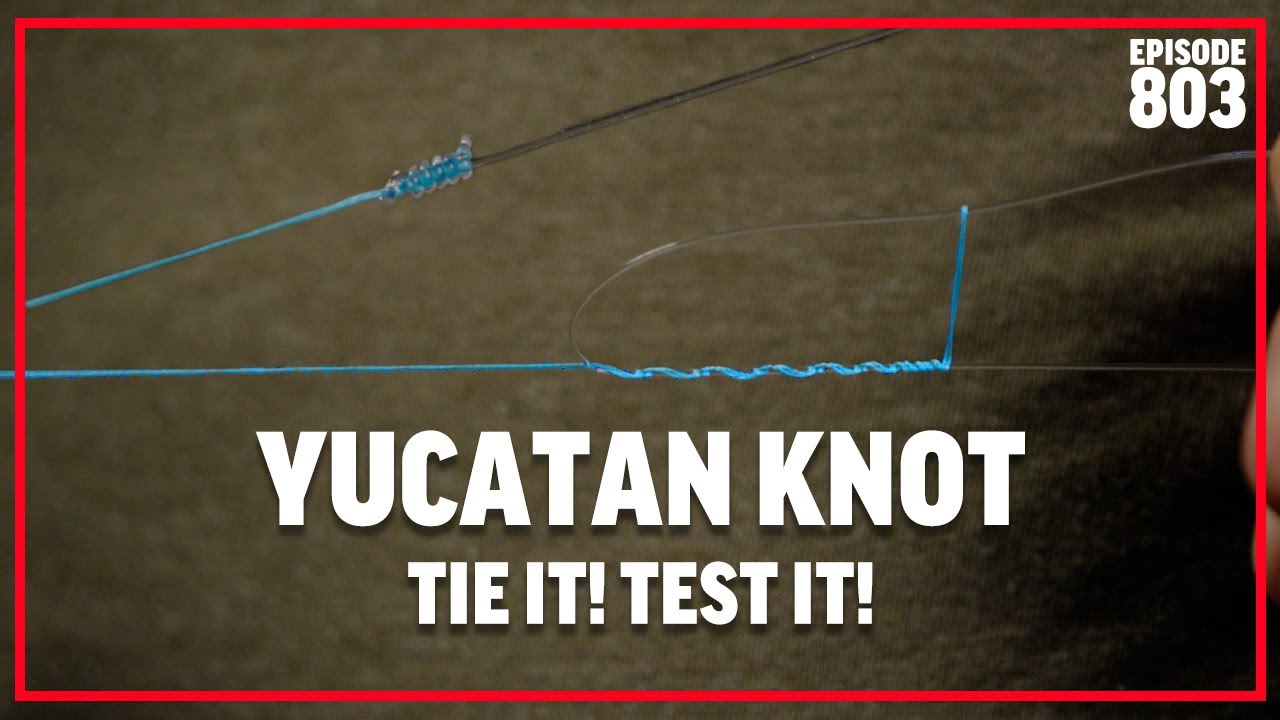
Tom Rowland | Yucatan Knot: Tie It and Test It | Ep. 803
I tie and test the Yucatan knot on this How 2 Tuesday. It is a popular braid to leader connection built off a bimini twist. From 20 pound braid to 40 pound fluorocarbon, three knots averaged 17.39 pounds, or 86.96 percent of line strength, with the bimini staying intact every time.
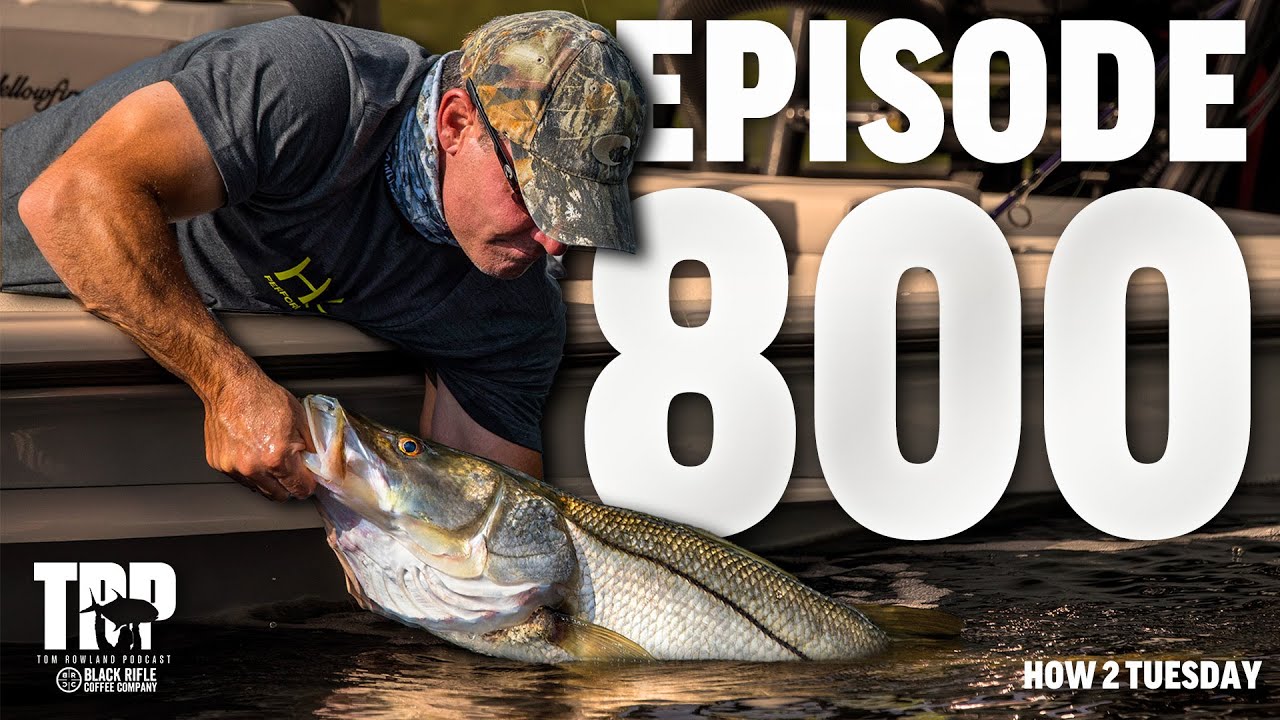
Tom Rowland | 800th Episode Special - How2Tuesday | Ep. 800
Tom Rowland celebrates the 800th episode milestone with a special How2Tuesday edition covering fishing tips and reflections.
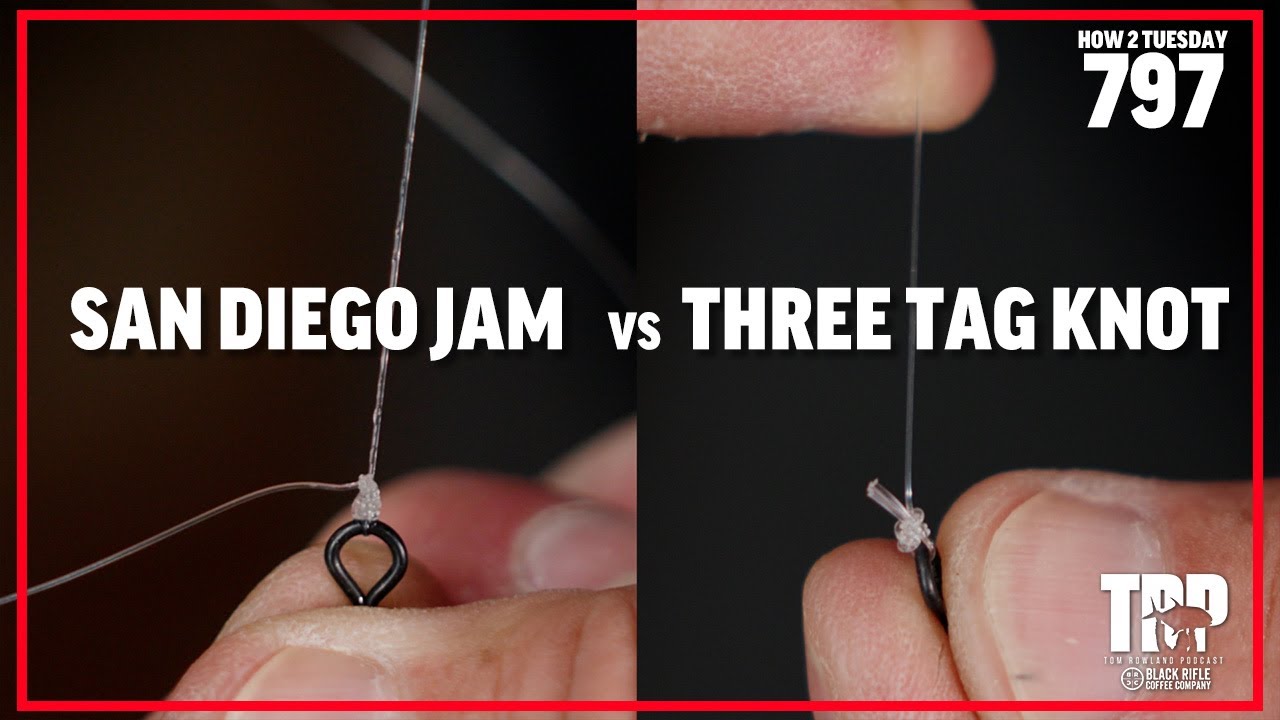
Tom Rowland | San Diego Jam vs Three Tag Knot: Which Wins? | Ep. 797
I put the San Diego jam knot head to head against the three tag Jamie Caldwell knot on this How 2 Tuesday. The jam is a single line with seven turns, the three tag a doubled line with three turns. In identical 15 pound Daiwa J Fluoro the jam averaged 86.28 percent and the three tag 85.31 percent.
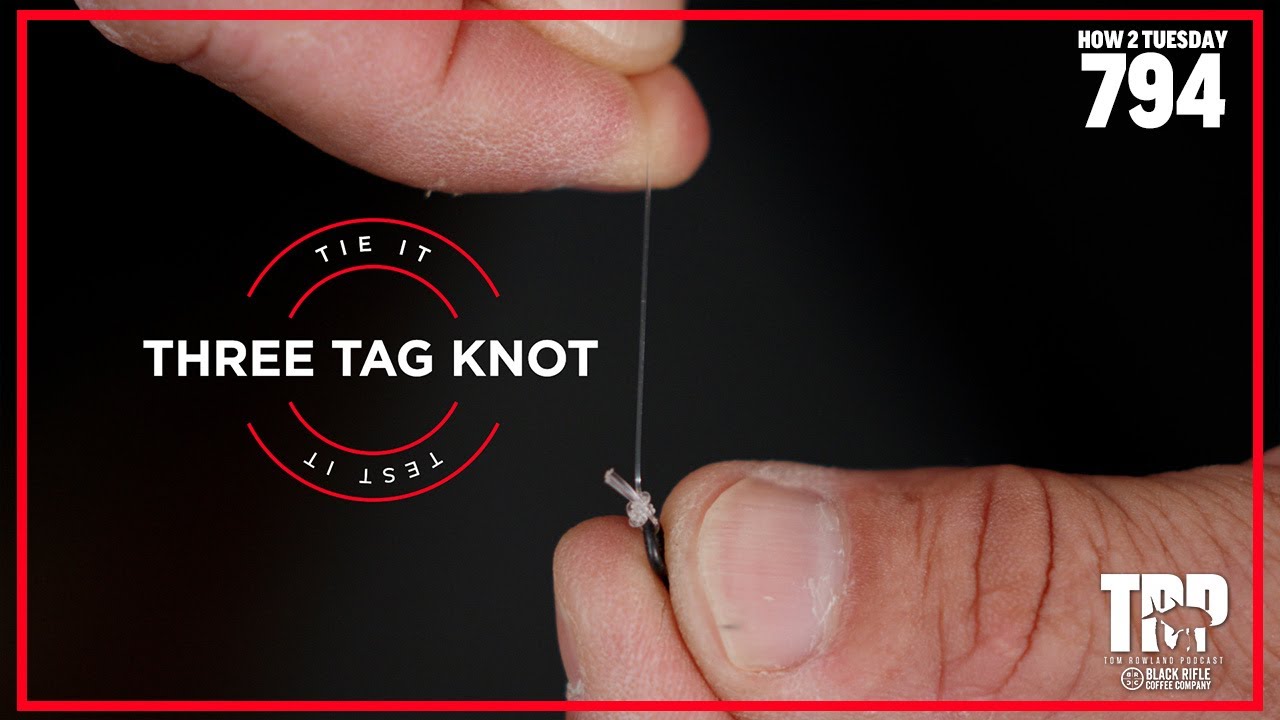
Tom Rowland | Three Tag Knot: Tie It and Test It | Ep. 794
I tie and test the three tag knot, also called the Jamie Caldwell knot, on this How 2 Tuesday. It is a doubled line, three turn cousin of the San Diego jam finished through the pinched hole. In 15 pound Daiwa J Fluoro it averaged 12.78 pounds, or 85.31 percent of line strength.
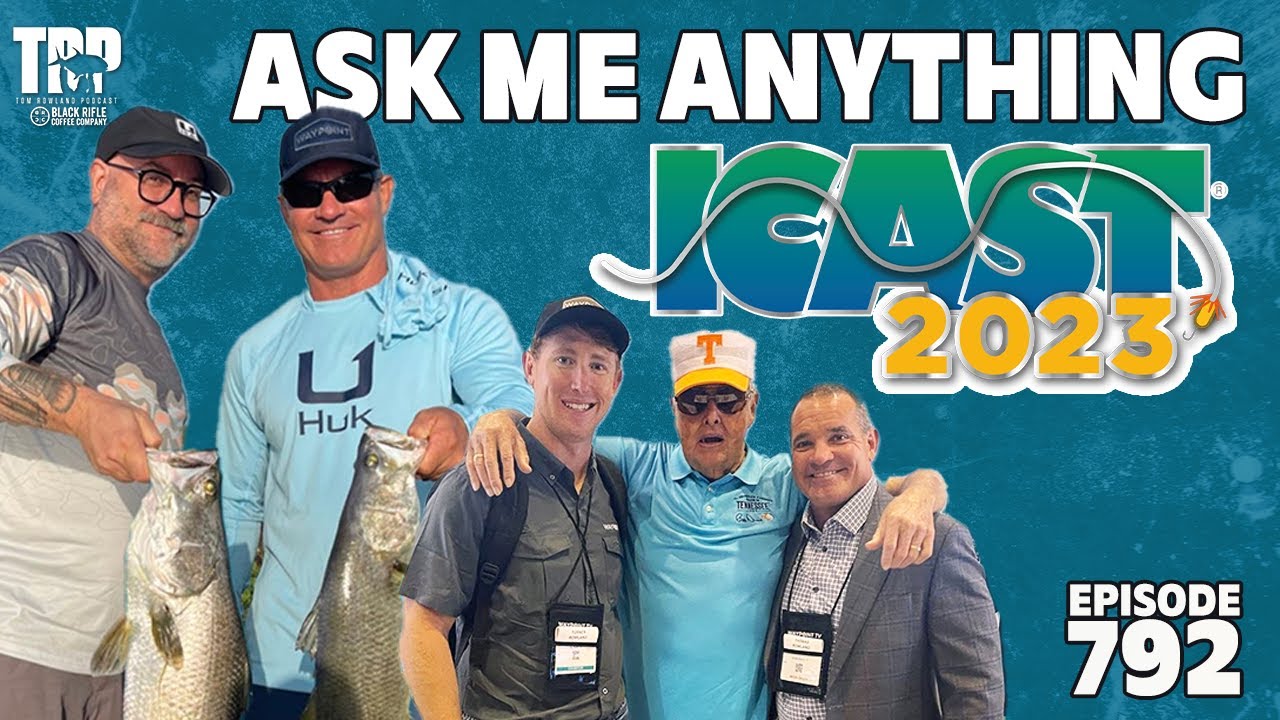
Tom Rowland | What is ICAST & How Can You Attend? | Tom Rowland Podcast Ep. 792
Tom Rowland is a professional fishing guide, podcast host, and outdoor industry veteran who has attended ICAST for years.
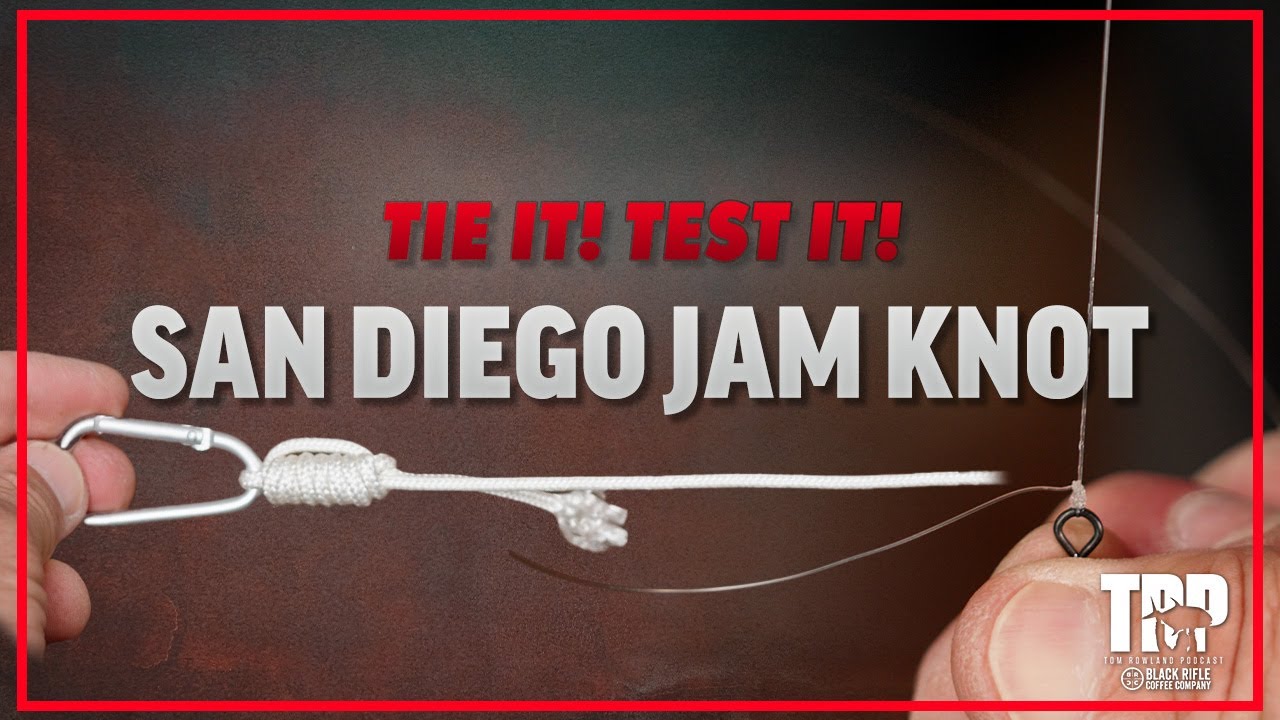
Tom Rowland | San Diego Jam Knot: Tie It and Test It | Ep. 791
I tie and test the San Diego jam knot on this How 2 Tuesday. It is a fast, versatile line to hook knot used by bass and saltwater anglers. I show the pinch and the seven wraps, then test three in 15 pound Daiwa J Fluoro, averaging 12.94 pounds, or 86.28 percent of line strength.
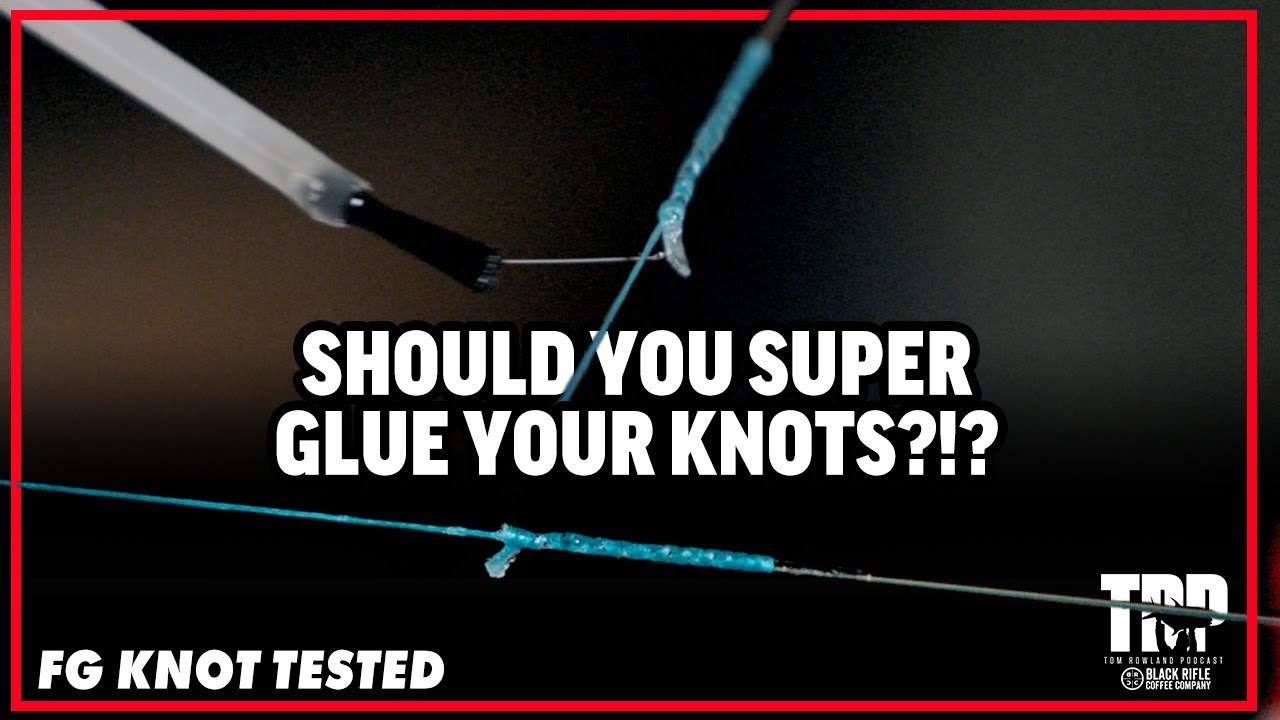
Tom Rowland | FG Knot Super Glue Test: 2% Stronger or Not Worth It? | Ep. 785
I test whether super glue makes the FG knot stronger on this How 2 Tuesday. I tied three FG knots with no glue and three with a dot of Krazy Glue super glue in 40 pound Daiwa J Fluoro to 20 pound Daiwa J Braid. No glue averaged 102.4 percent of line strength, glued averaged 104.8 percent, about a 2 percent gain on an already great knot.
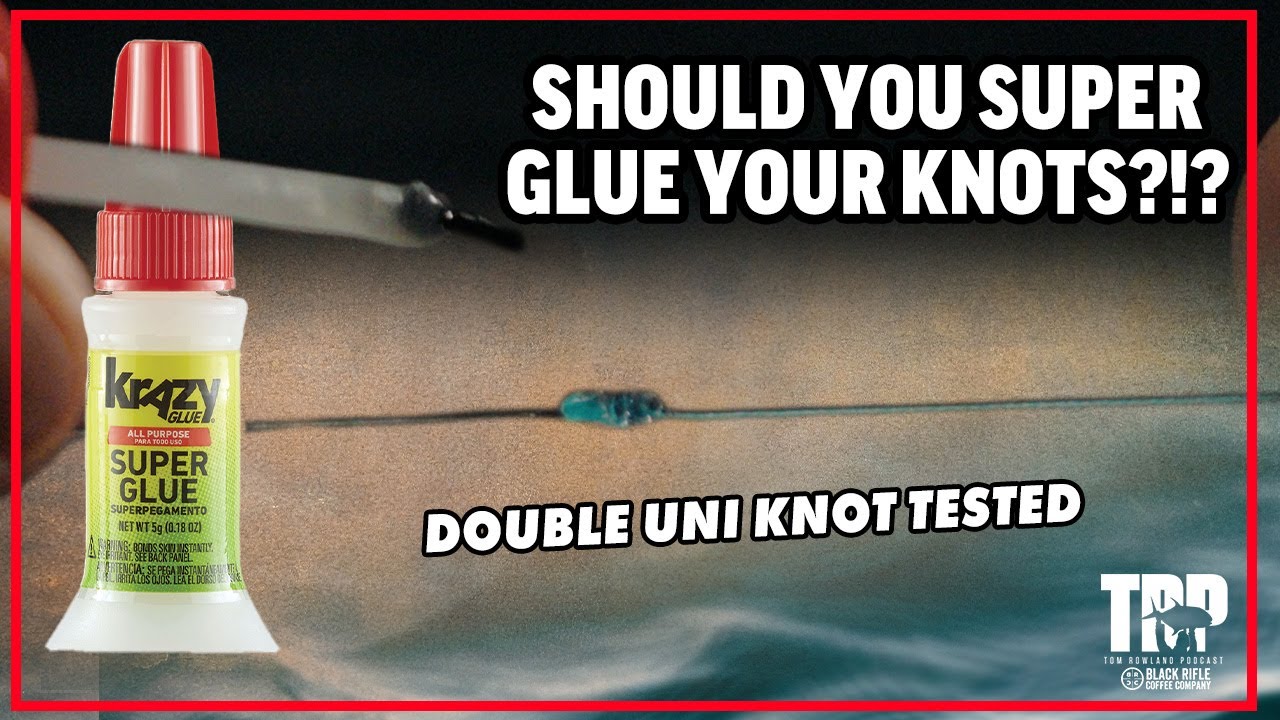
Tom Rowland | Double Uni Knot Super Glue Test: 67% vs 75% | Ep. 785
I test the double uni knot with and without super glue on this How 2 Tuesday. Tied from 20 pound braid to 40 pound fluorocarbon, the no glue knots averaged just 67.4 percent of line strength, weaker than I expected, while a dot of super glue raised the glued knots to 75 percent.
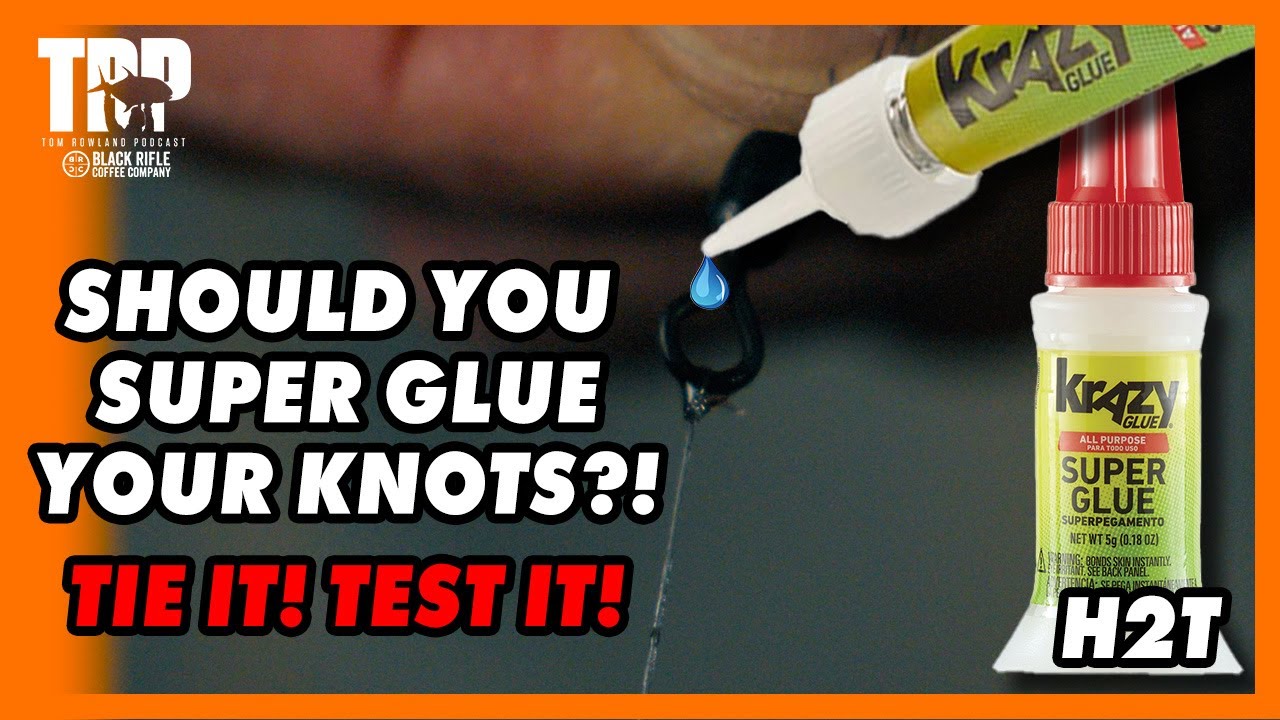
Should You Super Glue Your Knots? Tie It and Test It | How 2 Tuesday
I test whether super glue makes a knot stronger by tying clinch knots with and without a dot of Krazy Glue. No glue averaged 79.61% and glued averaged 89.42% in 12 pound Daiwa J fluoro, nearly 10% more. A How 2 Tuesday tutorial.
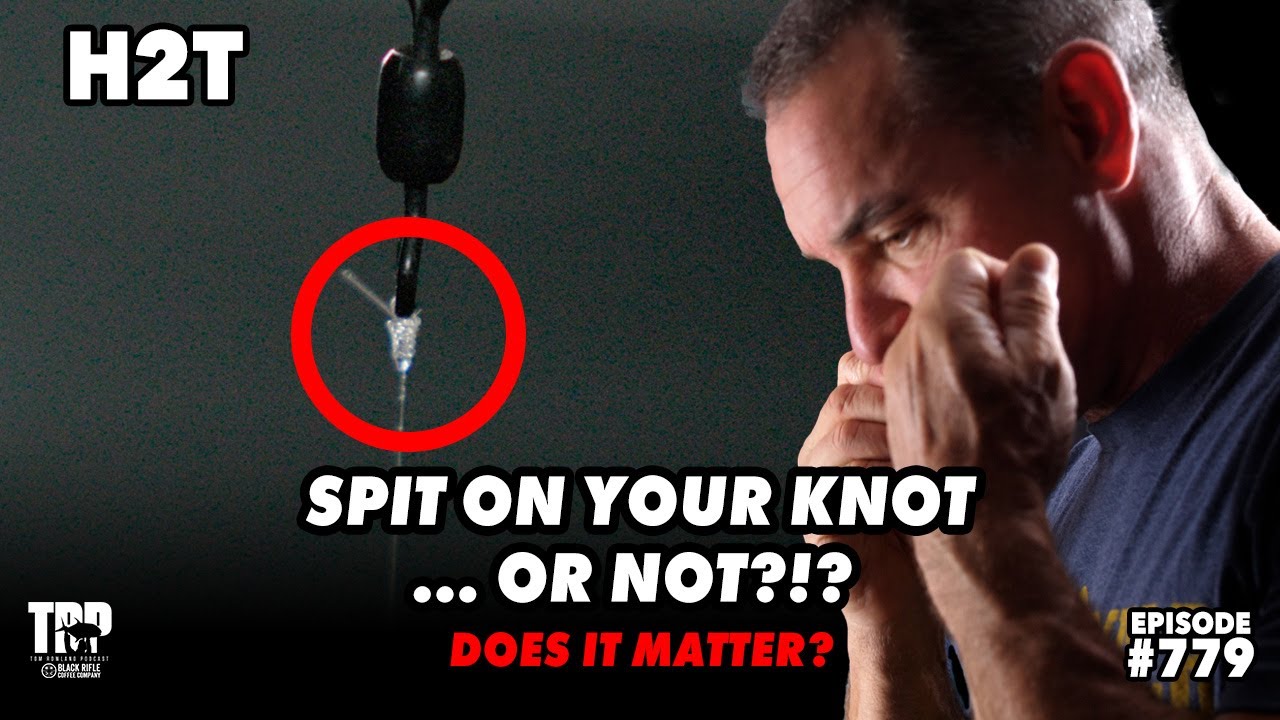
Spit on Your Knot, Or Not? Does Lubrication Matter? | How 2 Tuesday
I test the old advice to spit on your knot before pulling it tight. I tied three clinch knots dry and three lubricated in 15 pound fluorocarbon. Dry averaged 82.47% and lubricated 84.67%, a near dead heat. A How 2 Tuesday tutorial.
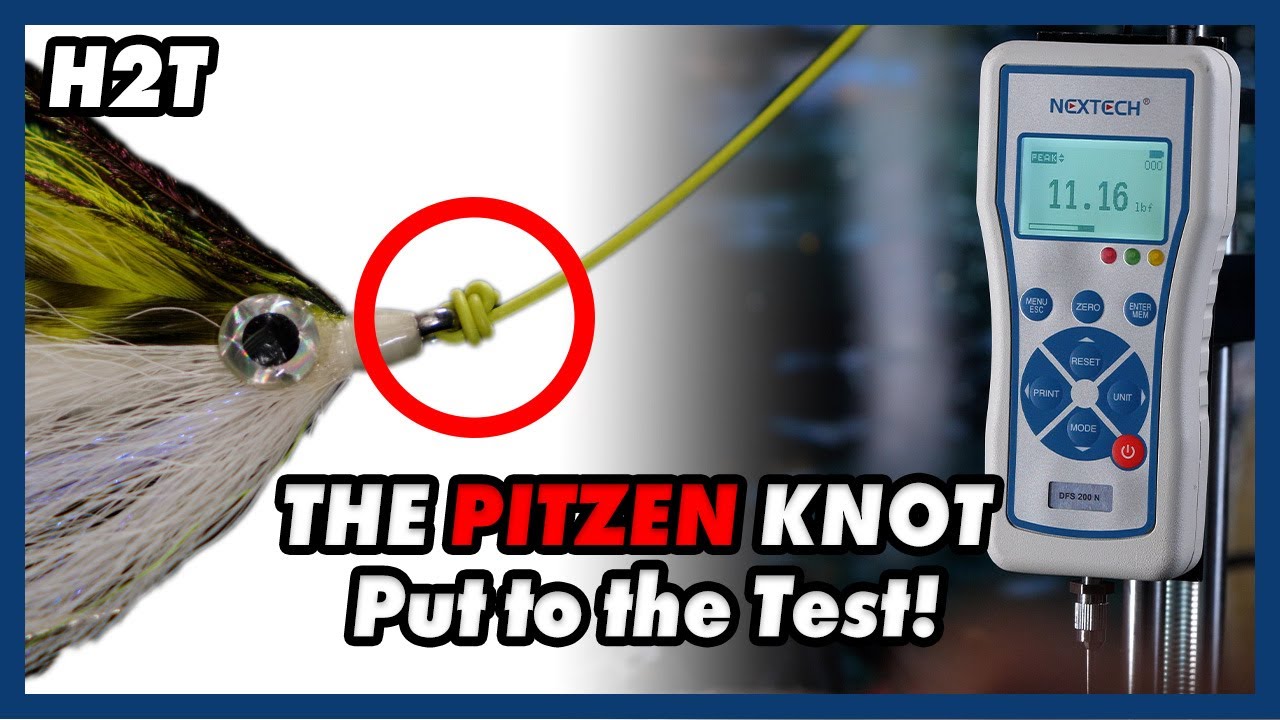
The Pitzen Knot Put to the Test | How 2 Tuesday
I put the Pitzen knot to the test, a fast, tiny-profile knot for attaching flies and lures that I first saw from Matty Rich on Instagram. Three knots in 15 pound fluorocarbon averaged 64% breaking strength. A How 2 Tuesday tutorial.
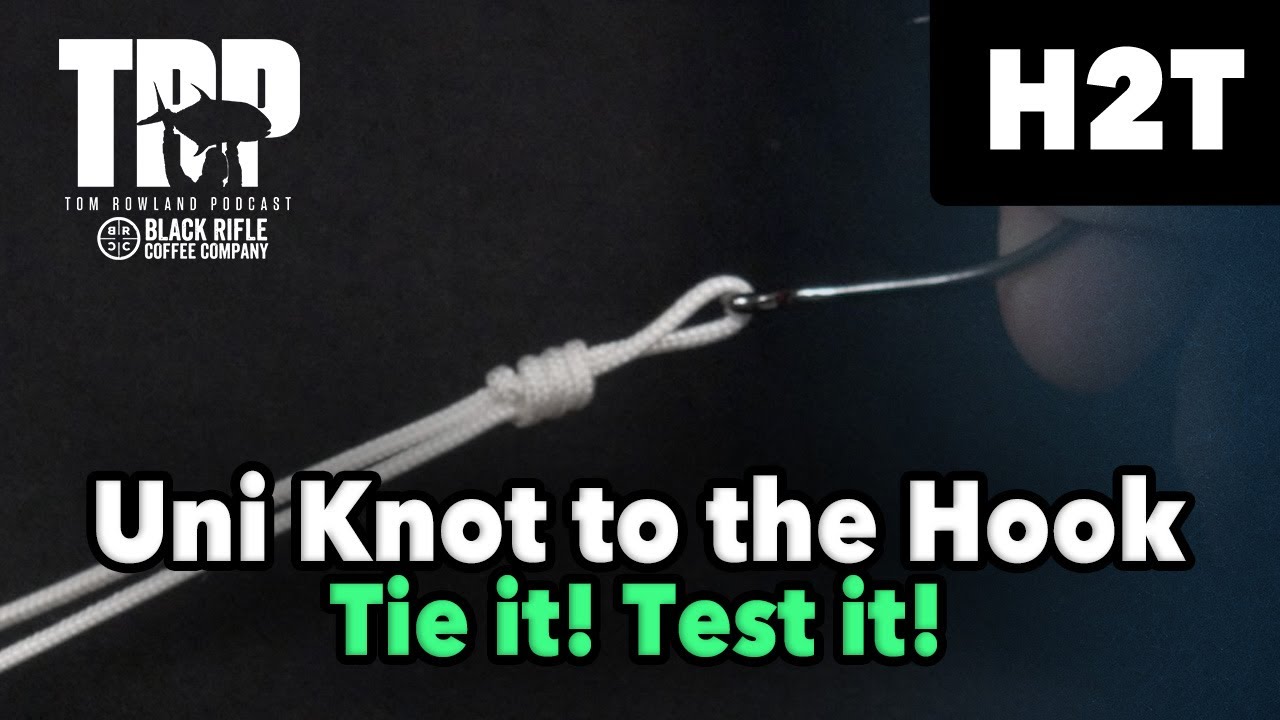
The Uni Knot to the Hook: How to Tie It and Test It | How 2 Tuesday
I tie the uni knot snug to the hook, then test three of them to failure in 12 pound monofilament. The average came out to a very impressive 124% breaking strength. A How 2 Tuesday tutorial.
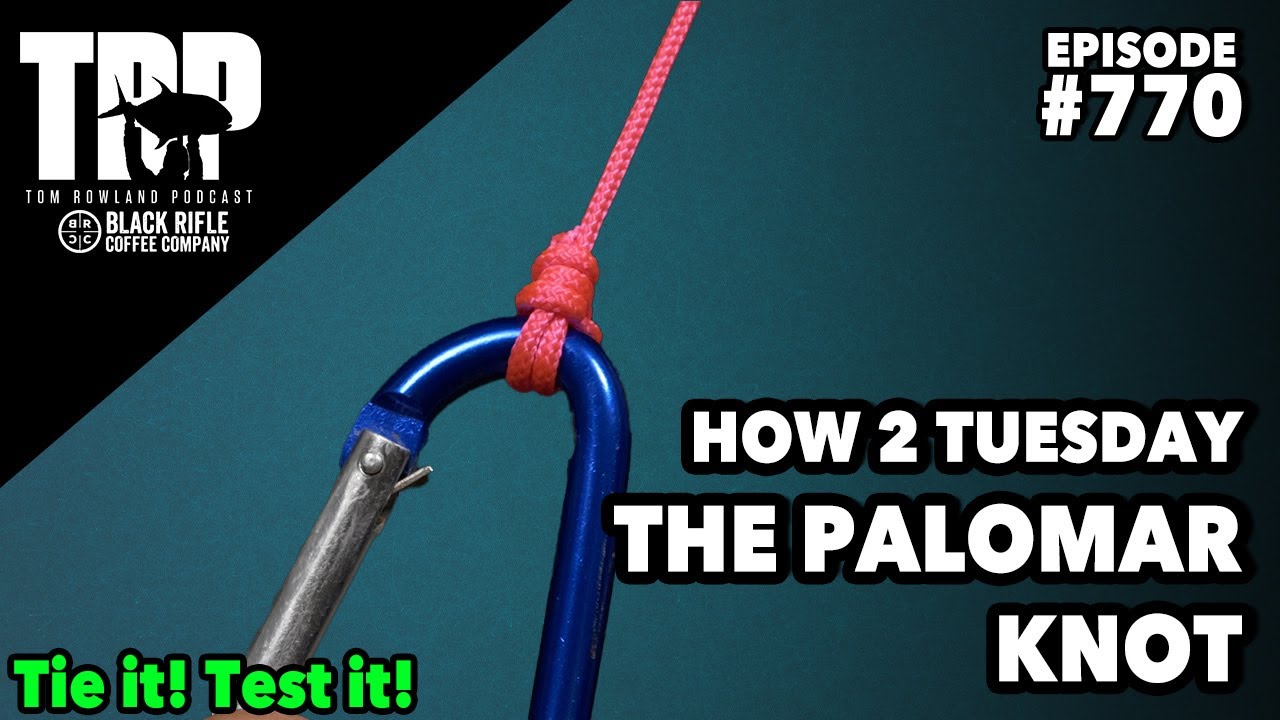
The Palomar Knot Revisited: How to Tie It and Test It | How 2 Tuesday
I revisit the Palomar knot, tie it step by step, and test three of them to failure in 12 pound Daiwa J fluoro. The average came out to 10.9 pounds, or 91.3% breaking strength. A How 2 Tuesday tutorial.

The Homer Rhode Loop With Braided Wire: How to Tie It and Test It | How 2 Tuesday
I tie the Homer Rhode loop knot in braided coated wire this time, then test three of them to failure in 30 pound Berkley braided coated wire. The average came out to a remarkable 101% breaking strength. A How 2 Tuesday tutorial.
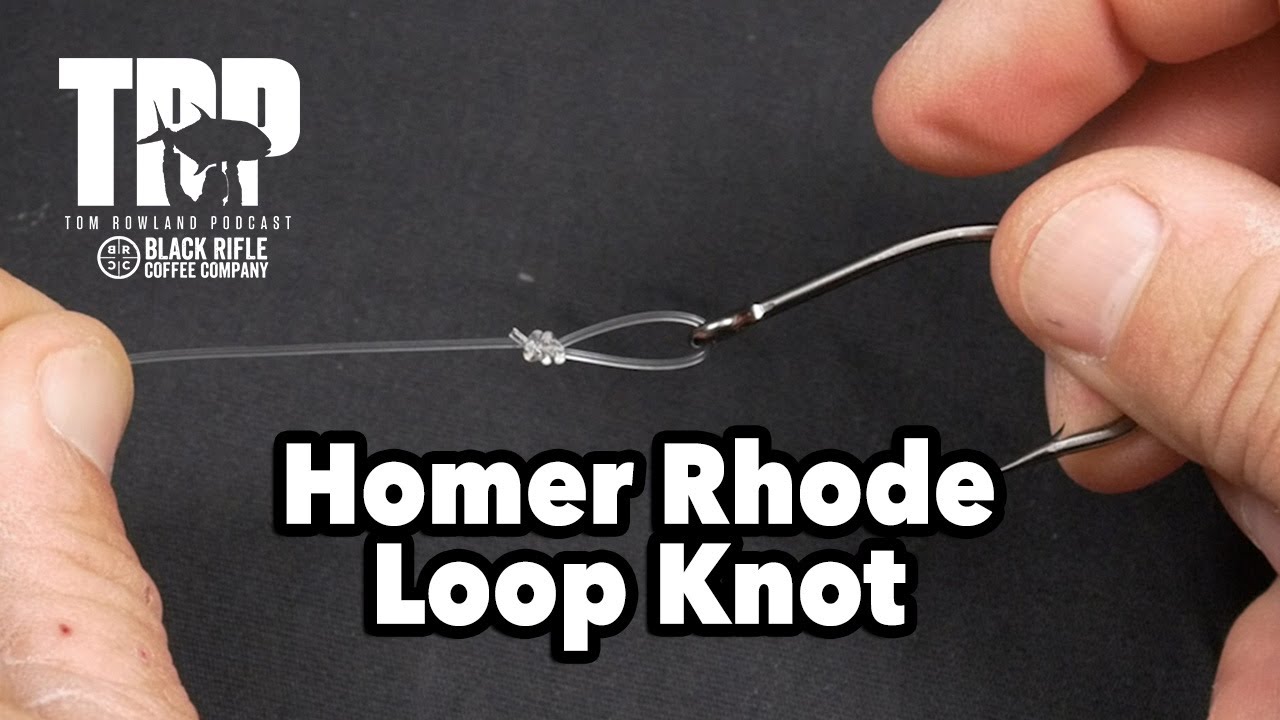
The Homer Rhode Loop Knot: How to Tie It and Test It | How 2 Tuesday
I tie the Homer Rhode loop knot, an old-school loop knot for heavy mono, then test three of them to failure in 12 pound Daiwa J fluoro. The average came out to 68.1% breaking strength. A How 2 Tuesday tutorial.
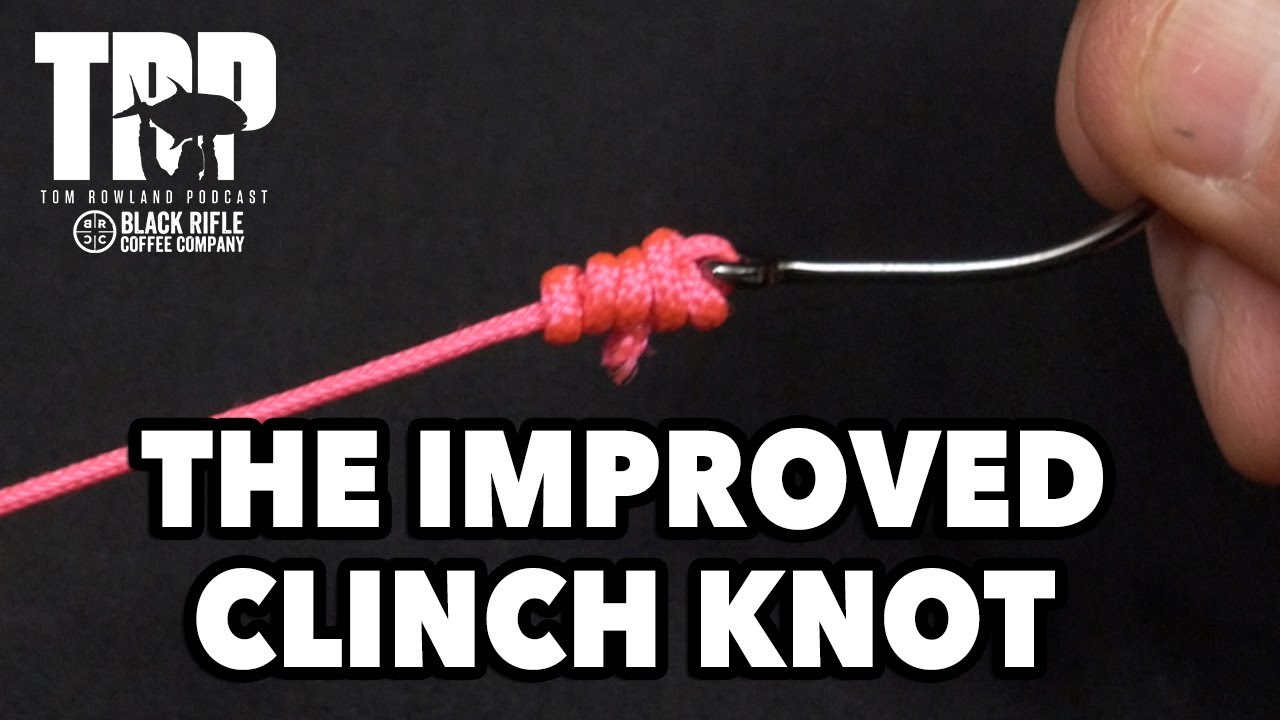
The Improved Clinch Knot: How to Tie It and Test It | How 2 Tuesday
I tie the improved clinch knot, the clinch with one extra tuck, then test three of them to failure in 12 pound Daiwa J fluoro. The average came out to 82.1% breaking strength. A How 2 Tuesday tutorial.

The Clinch Knot: How to Tie It and Test It | How 2 Tuesday
I tie the clinch knot, the first knot most anglers ever learn, then test three of them to failure in 12 pound Daiwa fluorocarbon. The average came out to 89% breaking strength. A How 2 Tuesday tutorial.
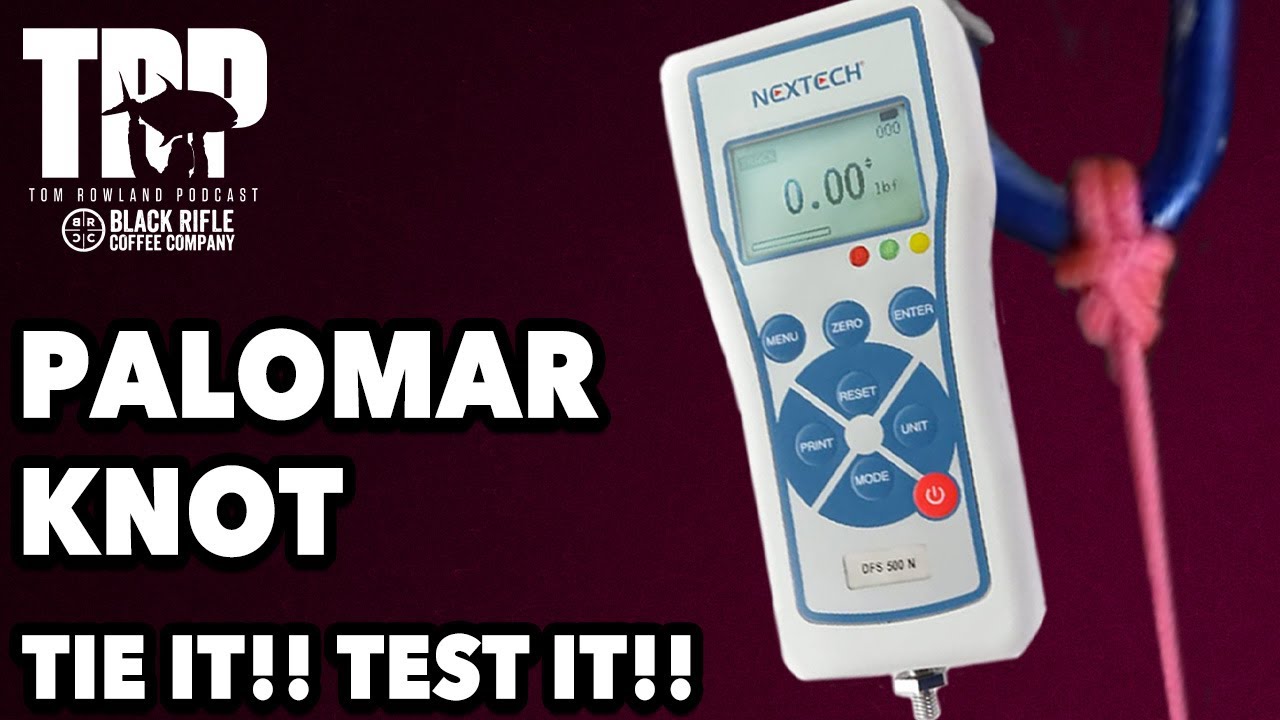
The Palomar Knot: How to Tie It and Test It | How 2 Tuesday
I tie the Palomar knot step by step, then test three of them to failure in 12 pound Daiwa J fluoro. The average came out to 10.9 pounds, or 91.3% breaking strength. A How 2 Tuesday tutorial.
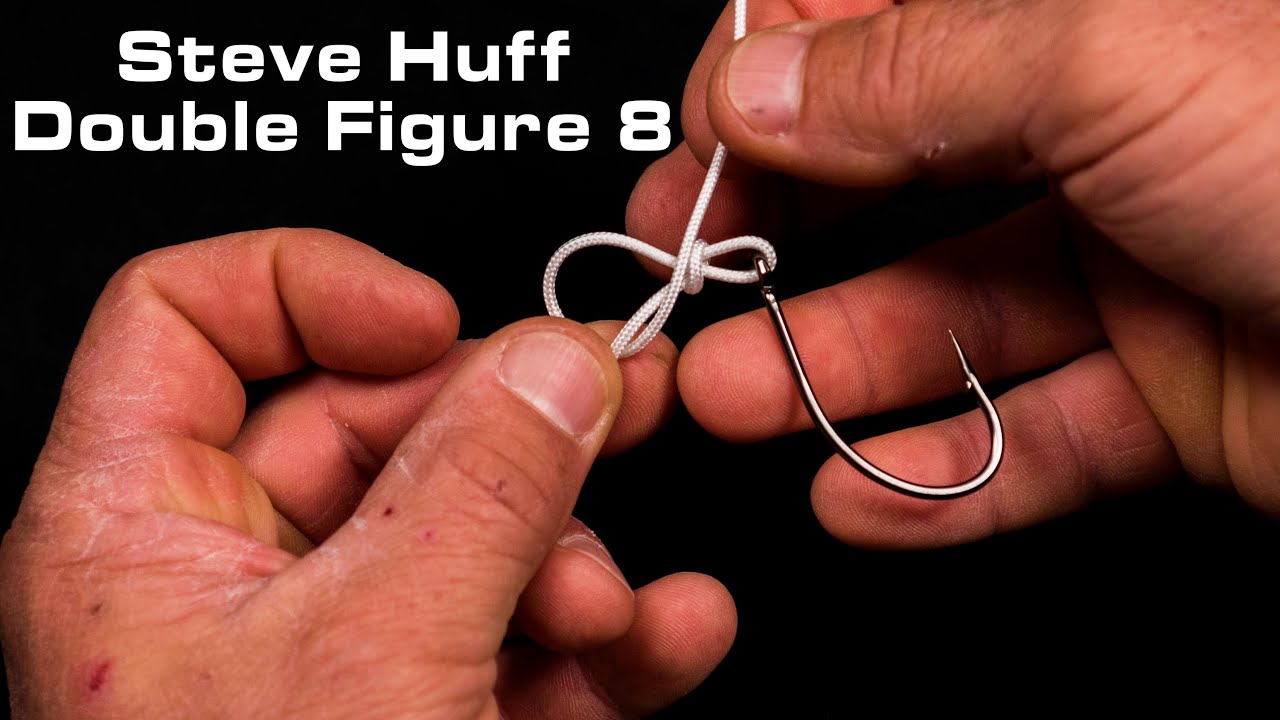
The Steve Huff Double Figure 8 Knot: Tie It and Test It
The Steve Huff double figure 8 is a loop knot that hangs perfectly straight, great for tarpon when you run heavy line to a light fly, jig, or lure. I tie it and test 12 pound mono, averaging 11.47 pounds, 95.5 percent breaking strength. A How 2 Tuesday tutorial.