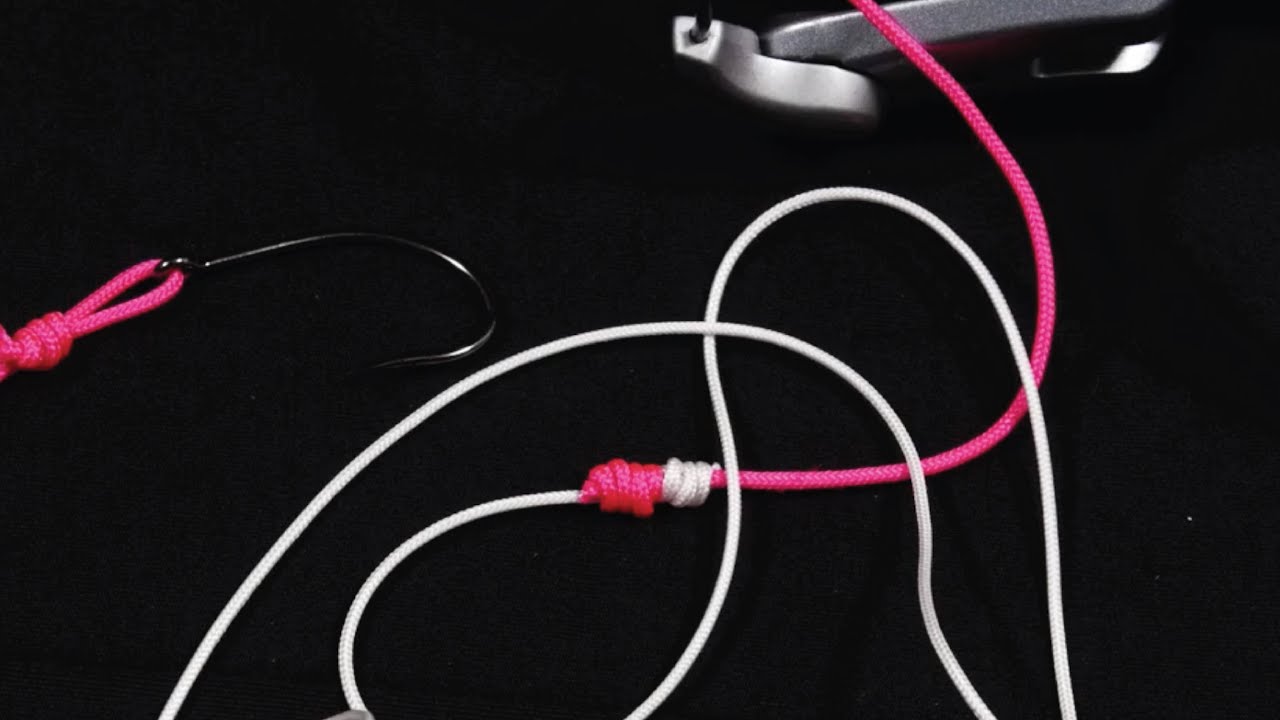
Does More Turns Strengthen a Uni Knot? Knot Wars
I keep Knot Wars going by testing turn count on the uni knot, my go-to knot for the whole system. In 15-pound Daiwa fluoro the results were 14.1, 14.45, 10.19, and 13.61 pounds for four through seven turns, and every uni beat the improved clinch. A How 2 Tuesday tutorial.
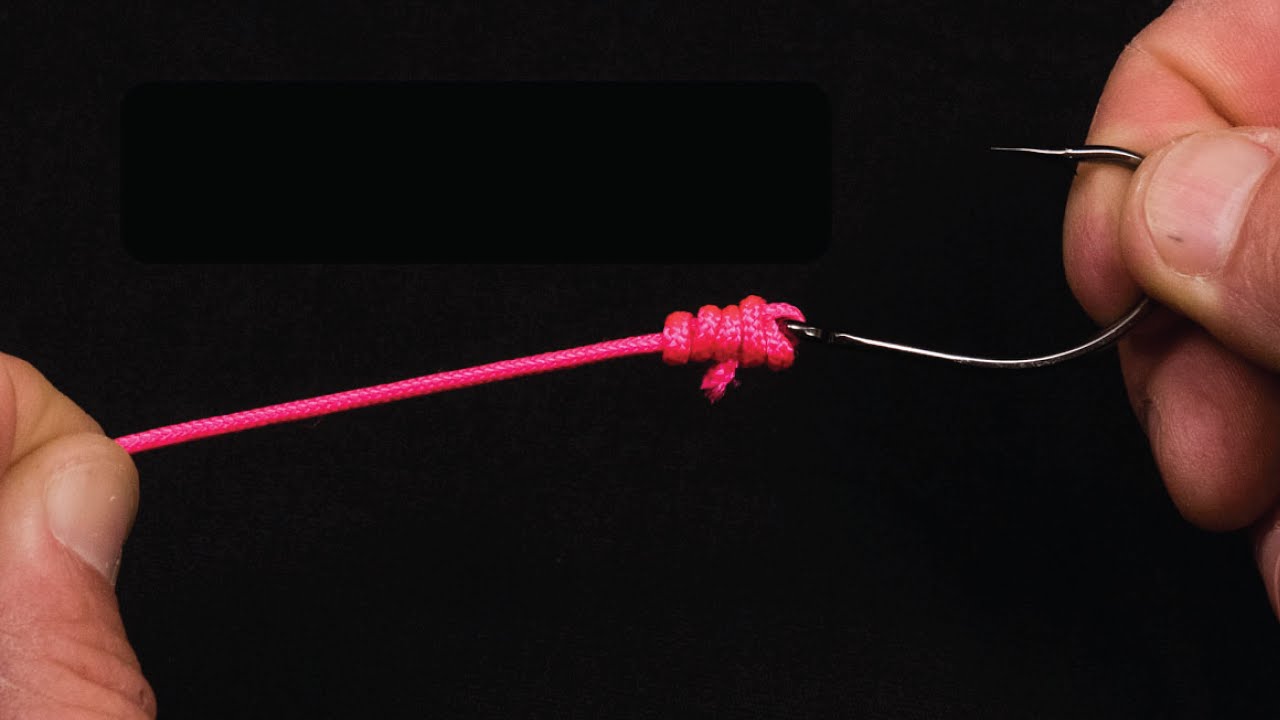
Does More Turns Strengthen an Improved Clinch Knot? Knot Wars
I keep Knot Wars going by testing whether more turns strengthen an improved clinch knot. Tying four, five, six, and seven turns in 15-pound Daiwa fluoro, the results were all close: 11.82, 8.87, 11.75, and 11.59 pounds, so turn count barely matters and the knot is not that strong. A How 2 Tuesday tutorial.
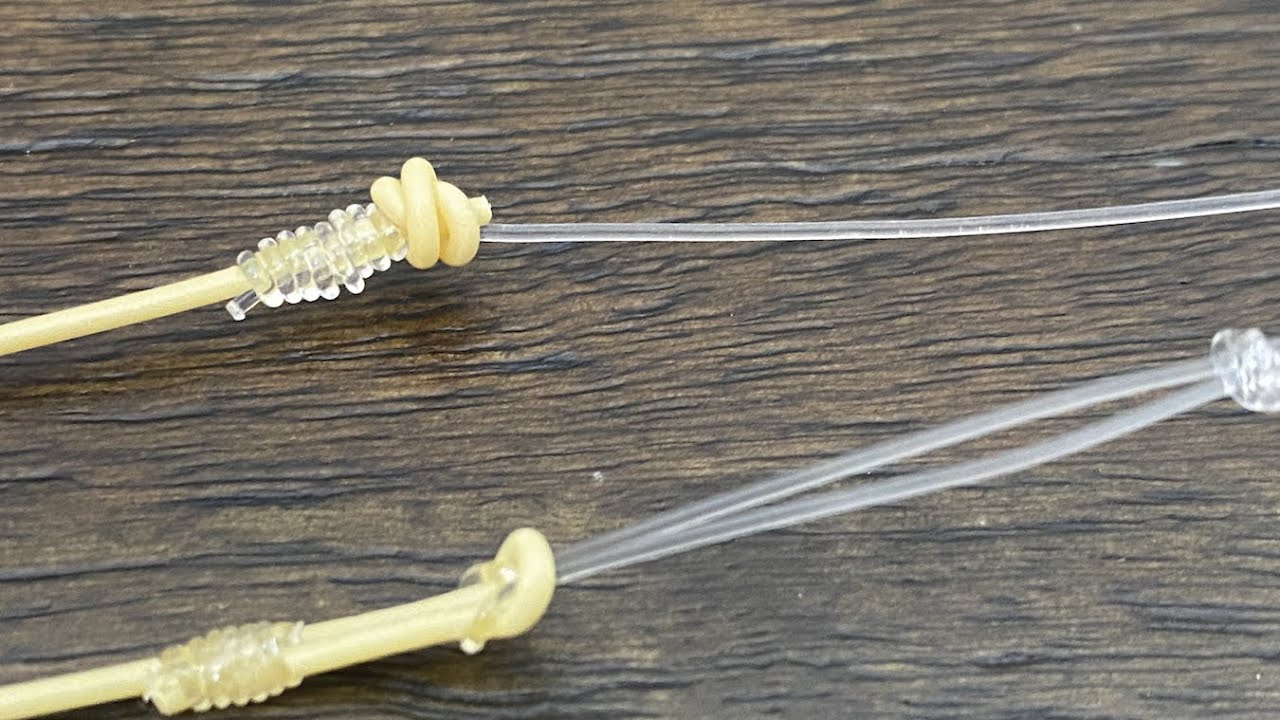
Whipped Loop vs. Nail Knot With a Lock: Fly Line Knot Wars
I bring Knot Wars to saltwater fly fishing and test two ways to connect your leader to a fly line: a nail knot with a figure-eight lock and a whipped loop with a loop-to-loop connection. Using 50-pound Daiwa J-Fluoro, the whipped loop won at 33.7 pounds versus 30.4. A How 2 Tuesday tutorial.
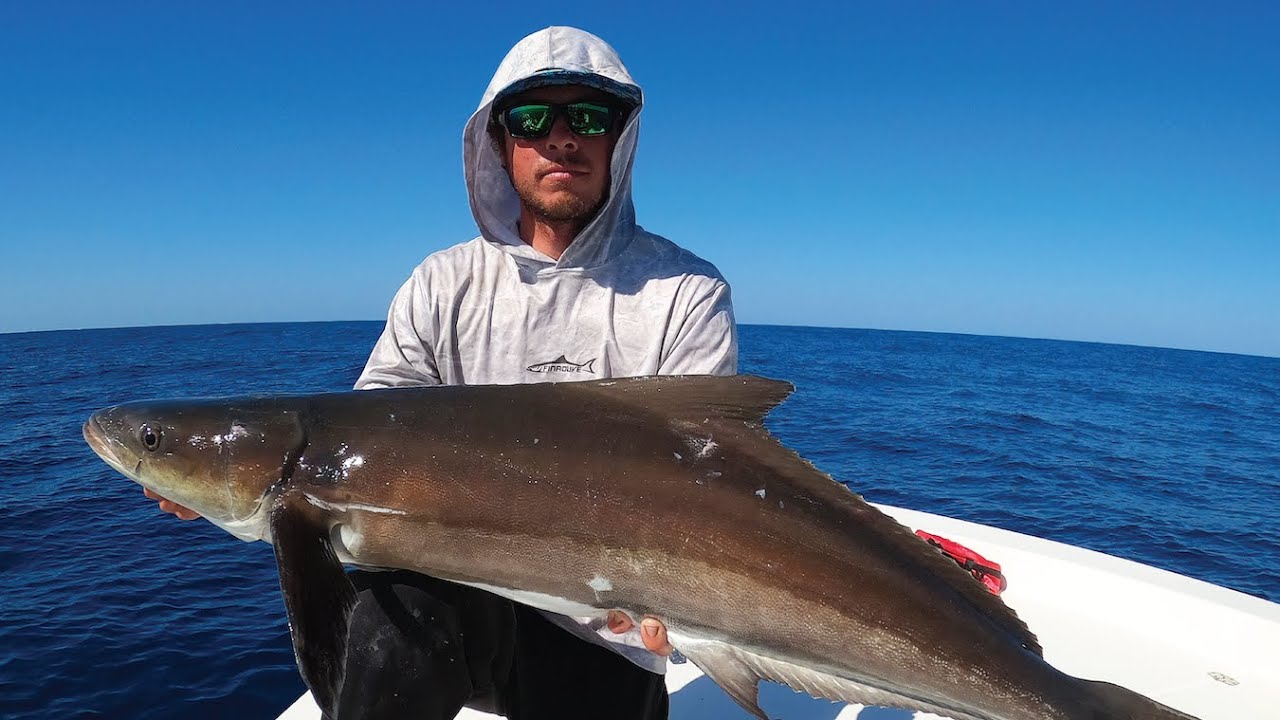
How to Land a Cobia With Austin Hayne
I close my three-part cobia series with Austin Hayne of FINAO Sport Fishing. Because gaffing cobia is banned in Virginia, Austin fights every fish in gear, keeps the head turned and the pull horizontal, coaches anglers off the high-stick, and scoops the fish into a huge knotless rubber net. A How 2 Tuesday tutorial.
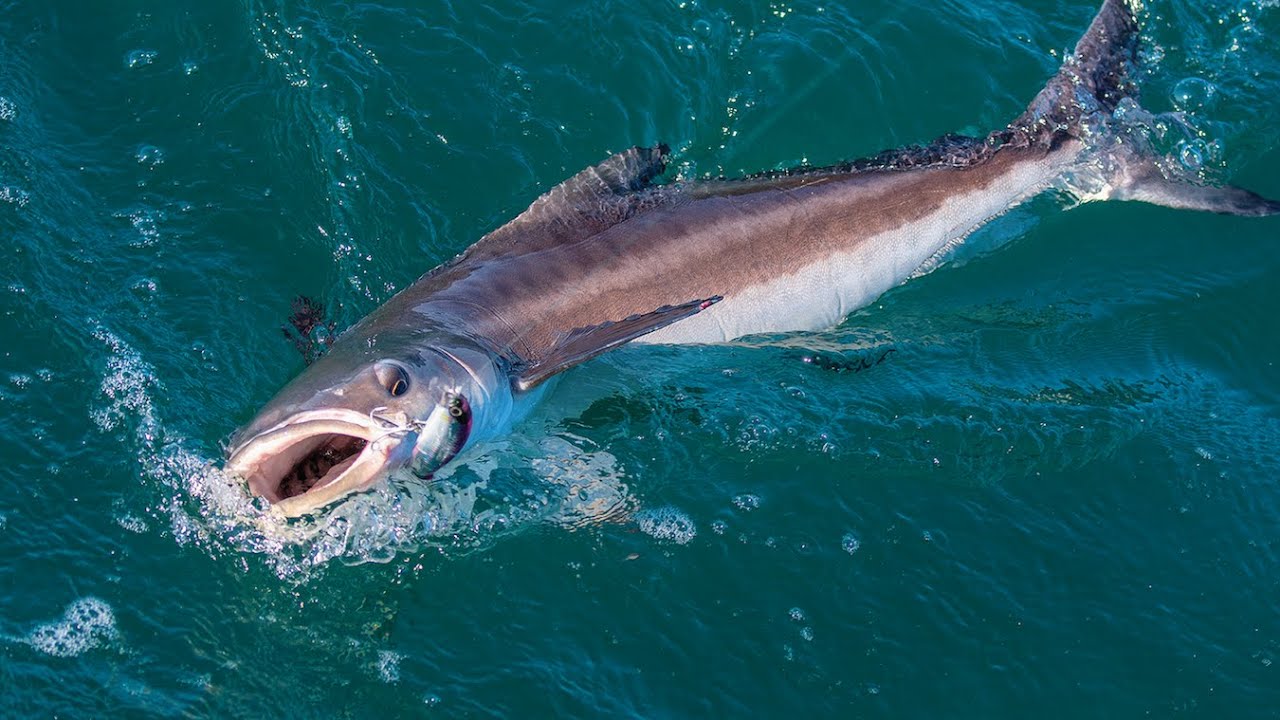
The Best Gear for Cobia Fishing With Austin Hayne
I bring Austin Hayne of FINAO Sport Fishing back to talk gear for cobia. We get into why amber green-mirror glasses beat the rod for importance, when to run a treble, circle, or J hook, high-vis braid to a short twenty-inch fluorocarbon leader, and how elevation extends how far you can see. A How 2 Tuesday tutorial.
How to Hook a Cobia: Sight-Casting Tips With Austin Hayne
I break down how to hook a cobia with Chesapeake Bay charter captain Austin Hayne of FINAO Sport Fishing. We cover why the first cast is everything, how to lead a moving fish, and the open-bail, pinched-line feed that boosts your hookup ratio with live bait. A How 2 Tuesday tutorial.
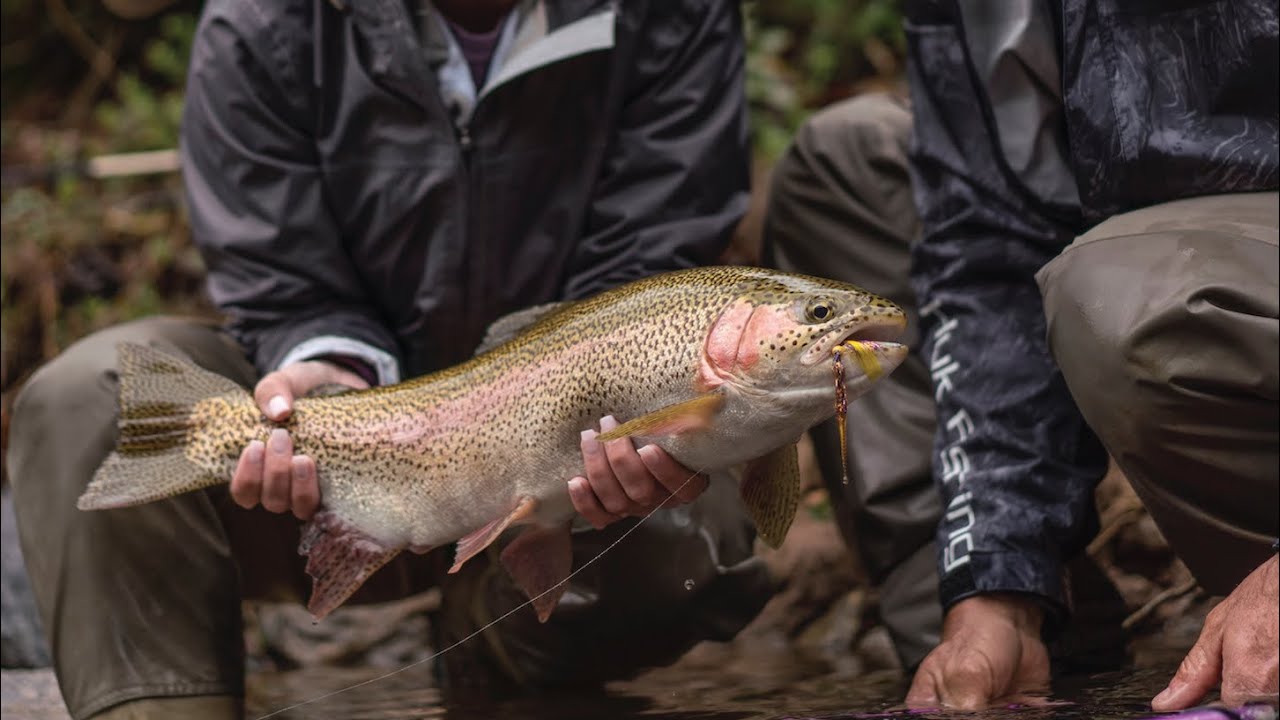
Triple Surgeon vs. Blood Knot: Which Wins for Fly Fishing Leaders
In this How 2 Tuesday I take Knot Wars into fly fishing ahead of an Alaska trip, testing the blood knot against the triple surgeon's knot in Orvis tippet joining 3X to 4X on the NexTech force tester, to settle a debate I have had around many campfires.

Tom Rowland | Uni Knot vs San Diego Jam: Which Knot to Use When | Tom Rowland Podcast Ep. 659
In this How 2 Tuesday episode of the Tom Rowland Podcast, Tom Rowland breaks down the differences between two critical fishing knots: the Uni Knot and the San Diego Jam.
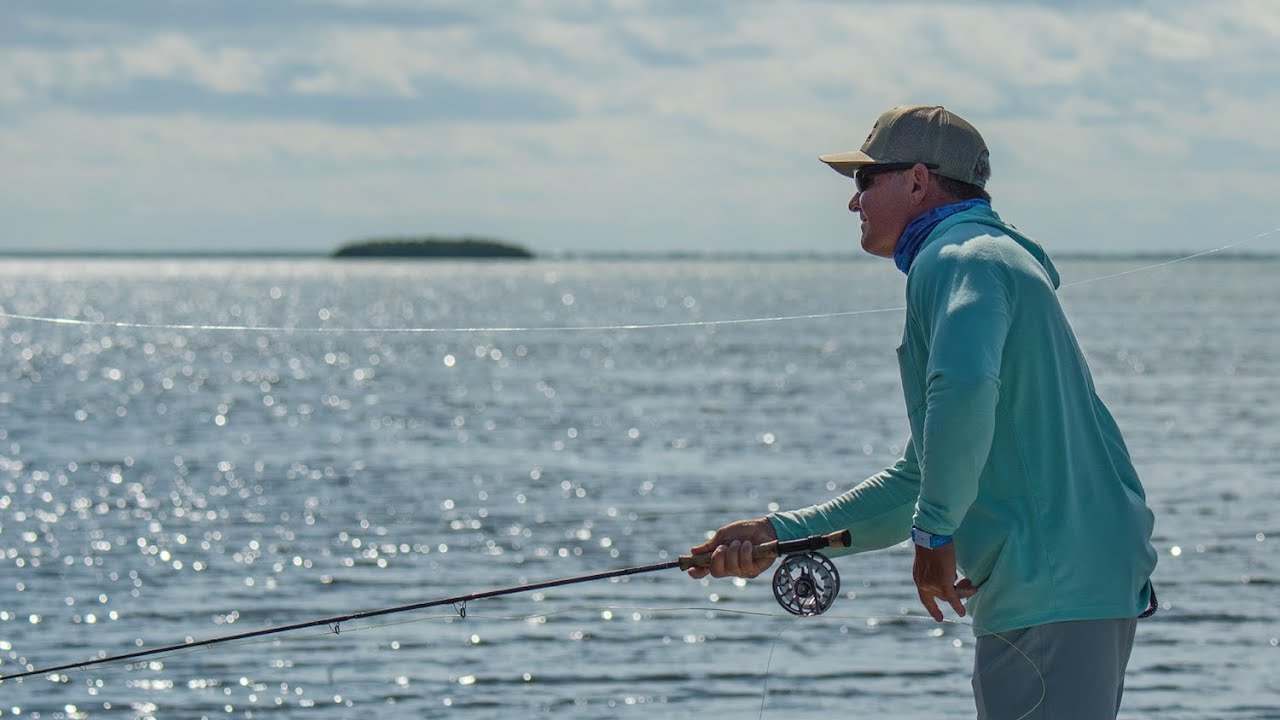
What Do You Look for in a Flat? How I Read New Flats Fishing Water
In this How 2 Tuesday I answer Feeding Frenzy Pablo's question about tide and what I look for in a flat. When I scout new water, current flow matters more than tide direction, and I want the right depth, a gradual tapering edge, a hard stop, easy access to deep water, and plenty of signs of life.
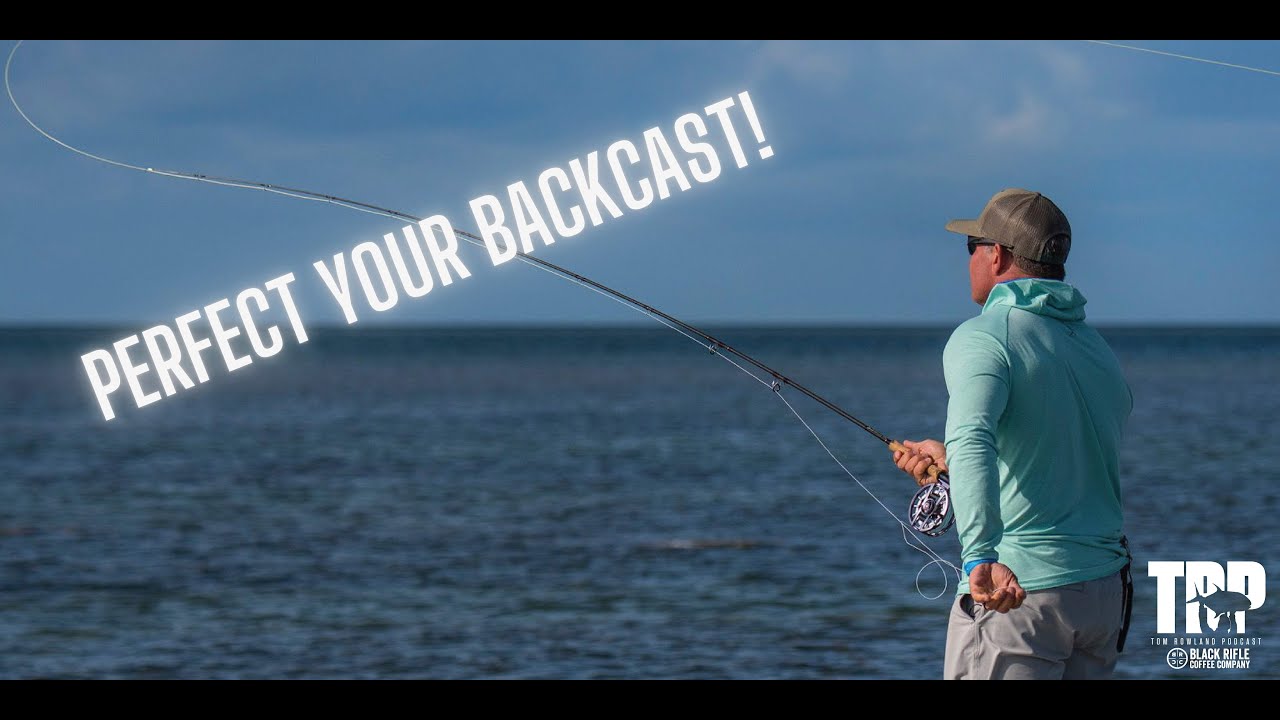
How to Perfect the Back Cast in Fly Fishing
In this How 2 Tuesday I answer James Lynch's question about perfecting the fly fishing back cast. I cover loading the rod with a hard stop, waiting for the line to straighten, and two habit fixes that help most: filming yourself instead of looking back, and never dropping the line from your line hand.
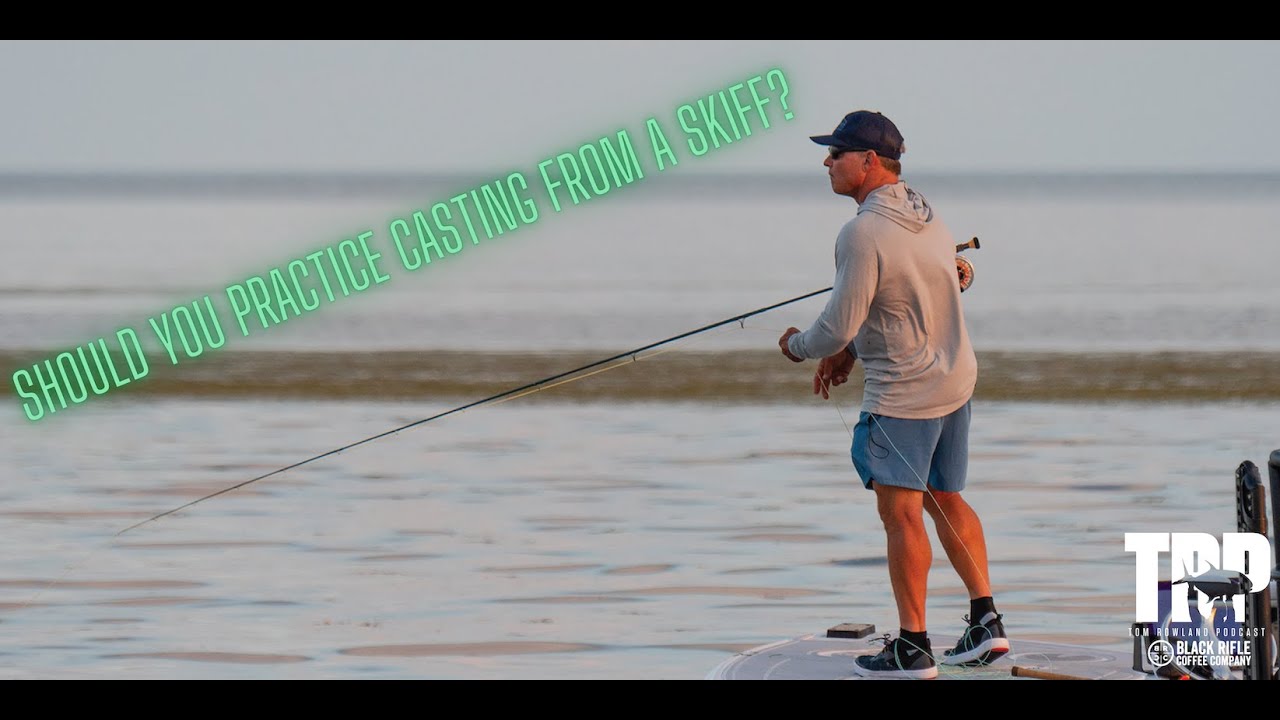
Should You Practice Casting From a Skiff? How to Keep Your Guide Happy
In this How 2 Tuesday I answer whether you should practice casting from a skiff. The short version: do your practice off the water, get in the boat ready, and stop false casting and killing your bait, because the fish often show up exactly when you are not ready.
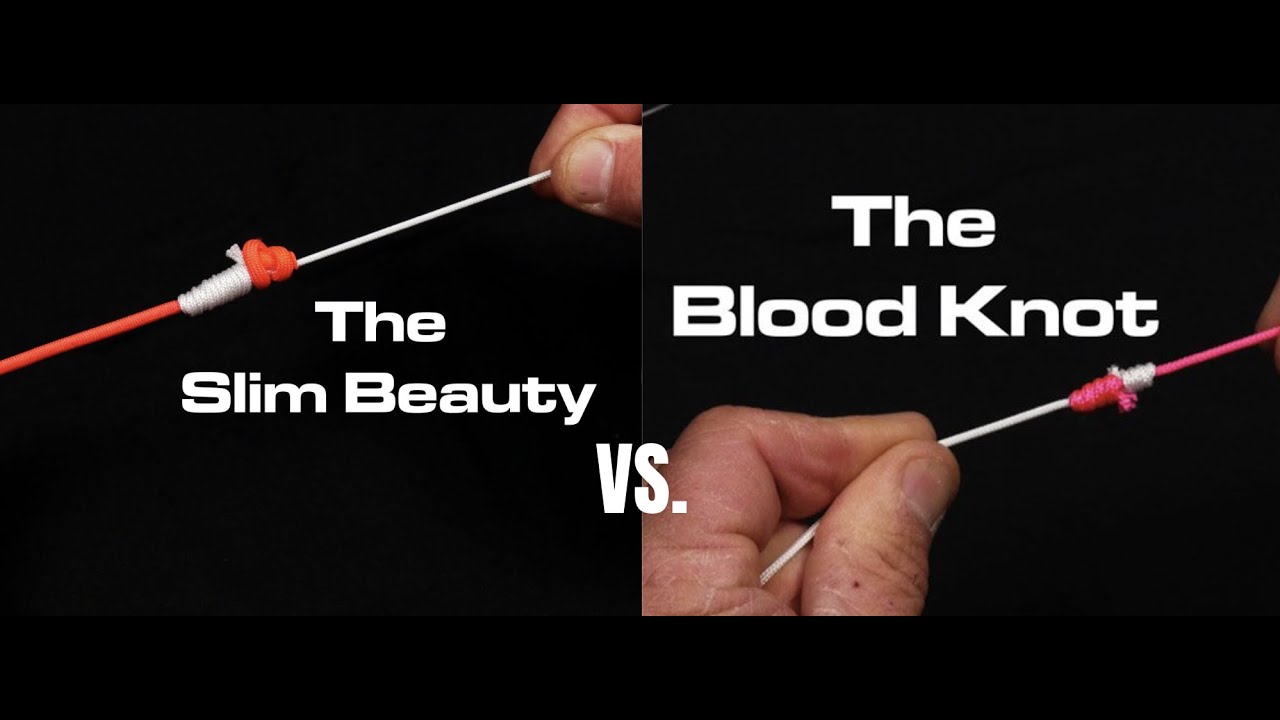
Slim Beauty vs. Two-Turn Blood Knot: Which Compact Leader Knot Wins
In this How 2 Tuesday I answer a listener request and test the Slim Beauty against the two-turn blood knot, both joining 15-pound to 50-pound Daiwa fluorocarbon, on the NexTech force tester. These are knots built to skip the Bimini twist and make rigging fast, so I match them against each other for a fair fight.
How to Deal With Haters: Why I Stay on the High Road
In this How 2 Tuesday I answer a young guide's question about how to deal with people who talk bad about you or try to impede your progress. My answer: do not deviate from your path, do not stoop to their level, take the high road, and double down on the work that made you a target in the first place.
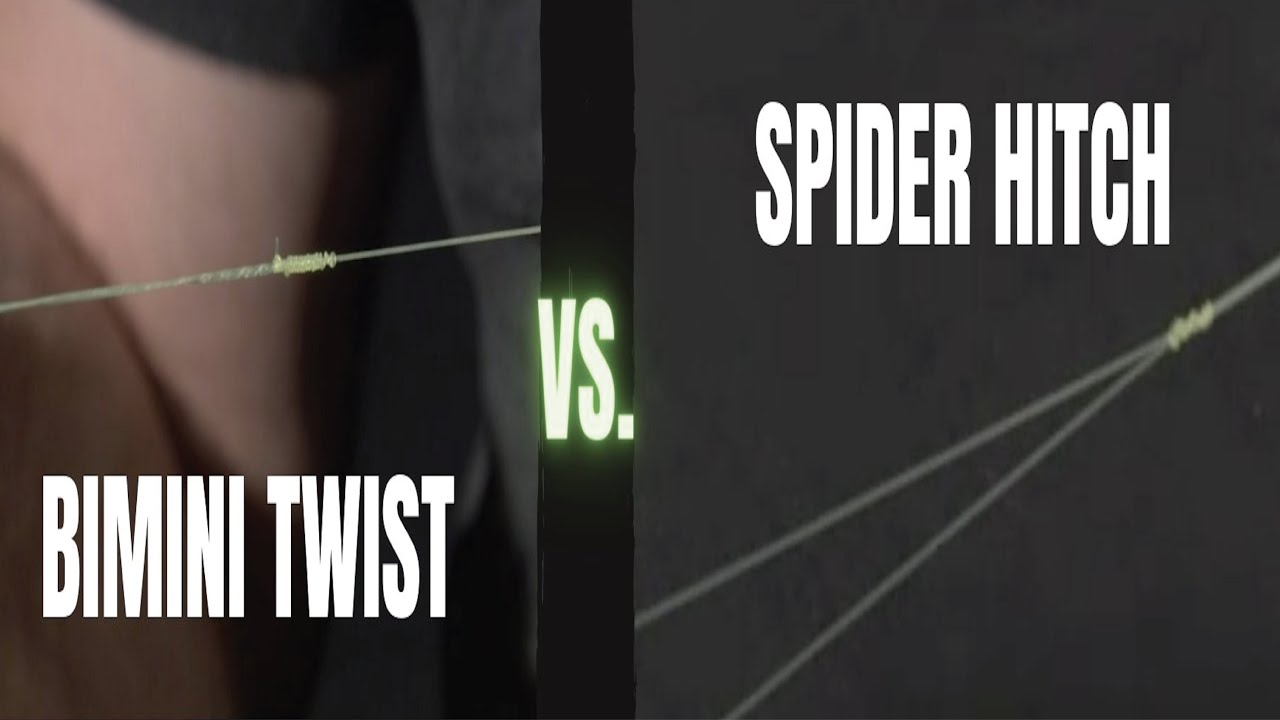
Spider Hitch vs. Bimini Twist: Which Double-Line Knot Is Stronger
In this How 2 Tuesday I test the two most popular double-line knots in saltwater fishing, the spider hitch and the Bimini twist, both tied in 20-pound Daiwa fluorocarbon, and break each on the NexTech force tester to see which one is stronger than the line.
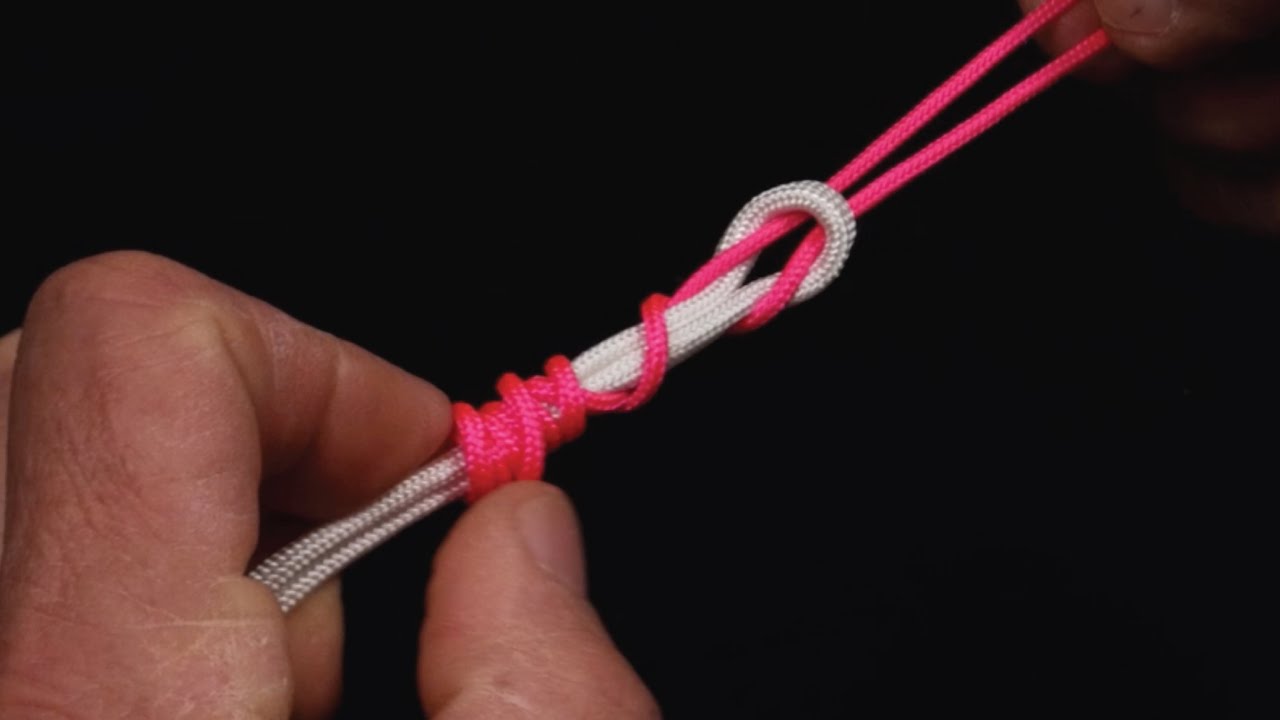
Albright vs. Alberto Knot: Which Braid-to-Leader Connection Is Stronger
In this How 2 Tuesday I put the Albright knot against the Alberto knot, connecting 20-pound Daiwa J-Braid to 50-pound Daiwa fluorocarbon, and break each on the NexTech force tester to find out whether the Alberto's extra wraps make a real difference in strength.
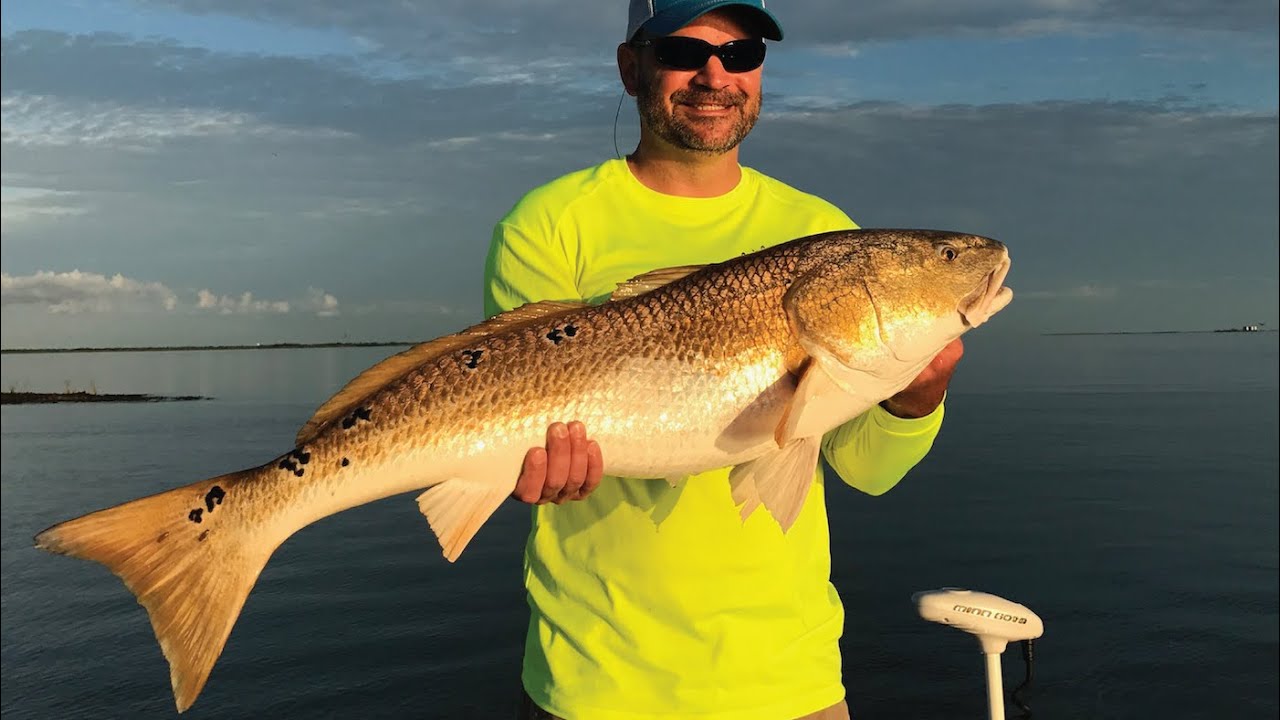
Anthony Randazzo: Paradise Plus and Thirty Years of Louisiana Delta Redfish
Anthony Randazzo, owner of Paradise Plus Guide Service in Buras, Louisiana, on nearly thirty years of Mississippi delta redfish guiding — reading salinity, big bull seasons, surviving Hurricane Katrina and the BP oil spill, and the gear that changed the game.
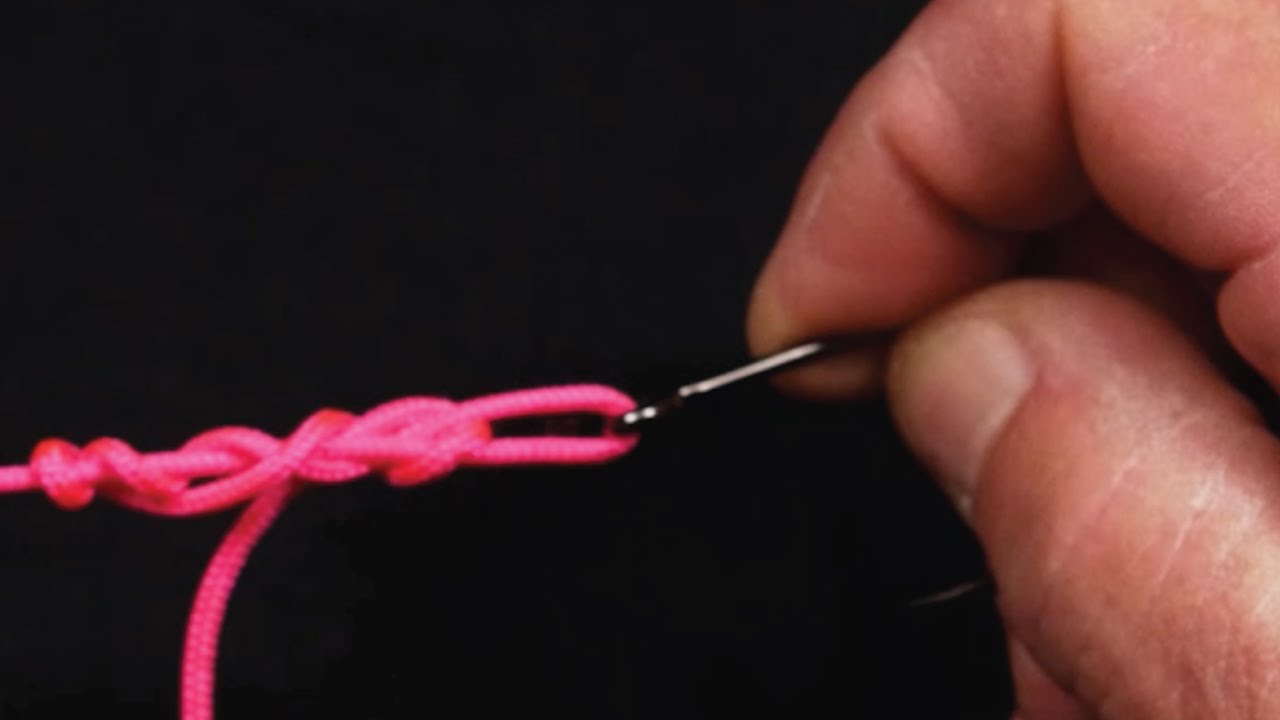
Clinch vs. Improved Clinch vs. Trilene Knot: Does Improving a Knot Help
In this How 2 Tuesday I tie three nearly identical line-to-hook knots, the clinch, the improved clinch, and the Trilene, with the same number of turns on 12-pound Daiwa fluorocarbon, and break each on the NexTech force tester to answer one question: does improving a knot really make it stronger?
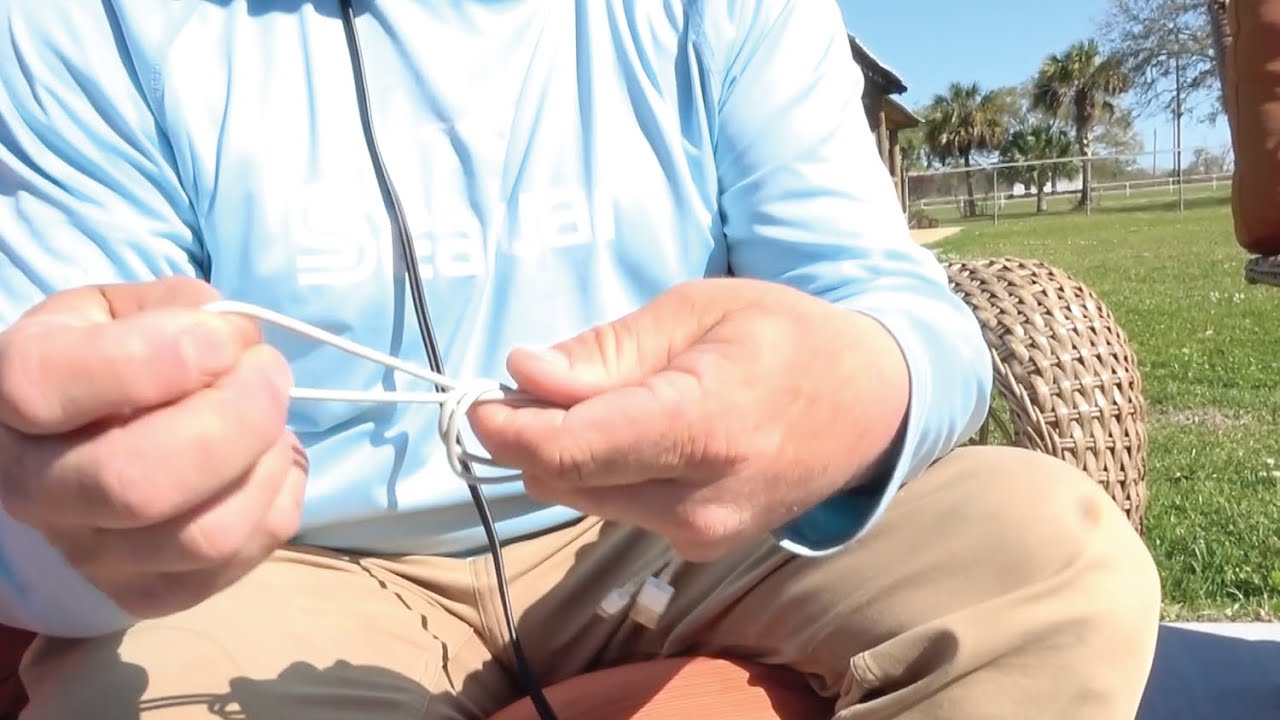
Improved Clinch vs. Palomar Knot: Which Line-to-Lure Knot Is Stronger
In this How 2 Tuesday I open the line-to-lure round of Knot Wars, tying an improved clinch and a Palomar knot to a 3/0 circle hook on 20-pound Daiwa fluorocarbon and breaking each on the NexTech force tester to see which one wins.
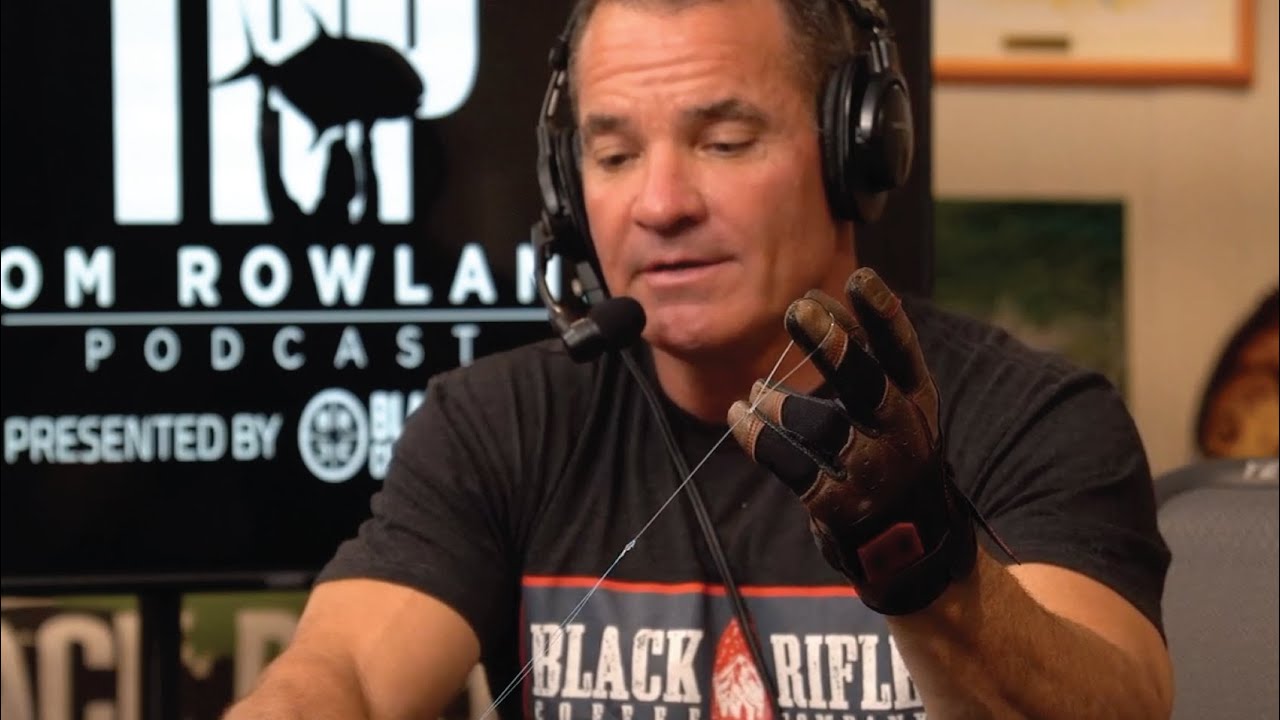
FG Knot vs. Double Uni: The Braid-to-Fluorocarbon Finals
In the finals of my braid-to-leader knot bracket, the FG knot meets the Double Uni tied with a Bimini twist. I break both with 20-pound Daiwa J-Braid to 50-pound fluorocarbon on a NexTech force tester to crown the champion braid-to-fluorocarbon knot. A How 2 Tuesday tutorial.
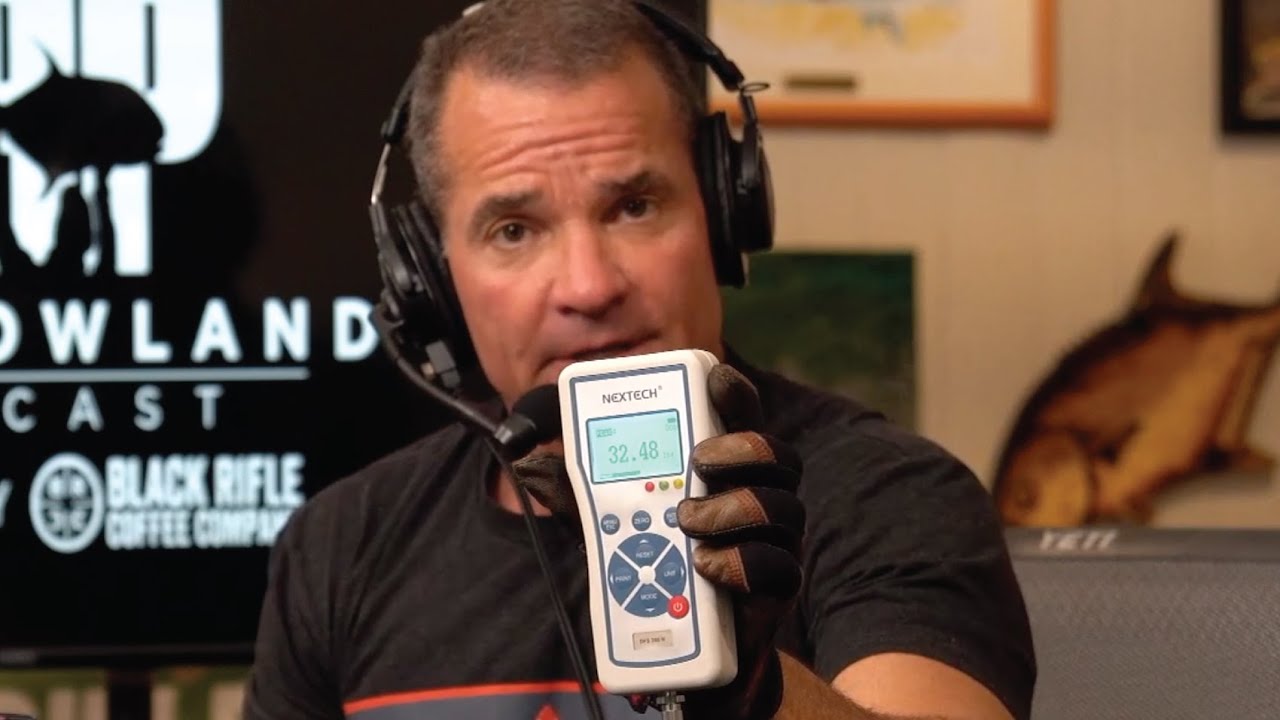
FG Knot vs. J Knot: Testing Knot Strength on a Scale
In round two of my knot war, I put the FG knot up against the J knot, 20-pound Daiwa J-Braid to 50-pound fluorocarbon, on a NexTech force tester. The FG won, but the J knot was surprisingly strong. Controlling the controllable means testing your connections before you fish. A How 2 Tuesday tutorial.
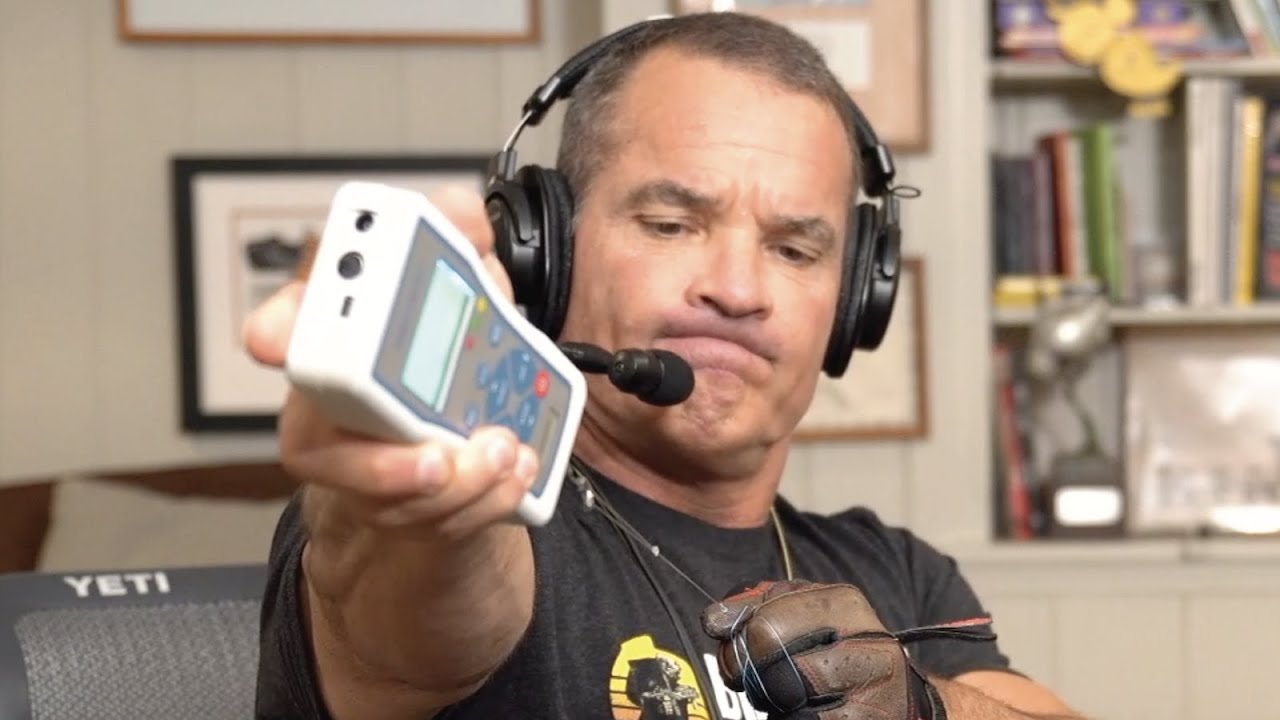
Slim Beauty vs. Double Uni: Testing Knot Strength on a Scale
I put the Slim Beauty up against the Double Uni, 20-pound Daiwa J-Braid to 50-pound fluorocarbon, on a NexTech force tester to find the stronger knot. I tie each one the way I actually fish it and break them twice, because knots are one of the most controllable factors in fishing. A How 2 Tuesday tutorial.
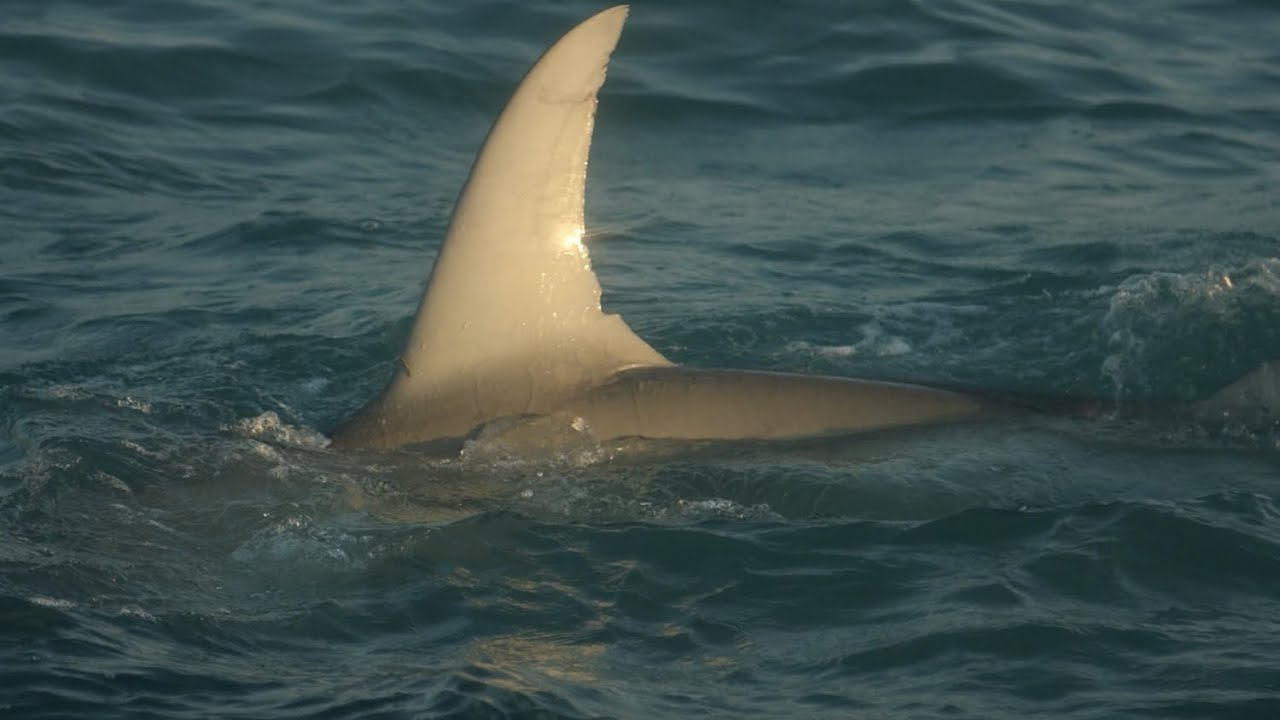
Sharks vs. Tarpon: 5 Ways to Avoid Shark Attacks on Your Tarpon
I break down five ways to avoid shark attacks on your tarpon during the Florida Keys migration. From improving your technique and using heavier tackle to breaking fish off at the leader and moving spots when the sharks show up, these tips help you land fish fast instead of feeding hammerheads. A How 2 Tuesday tutorial.

Zinc Anodes: How They Work and When to Replace Them
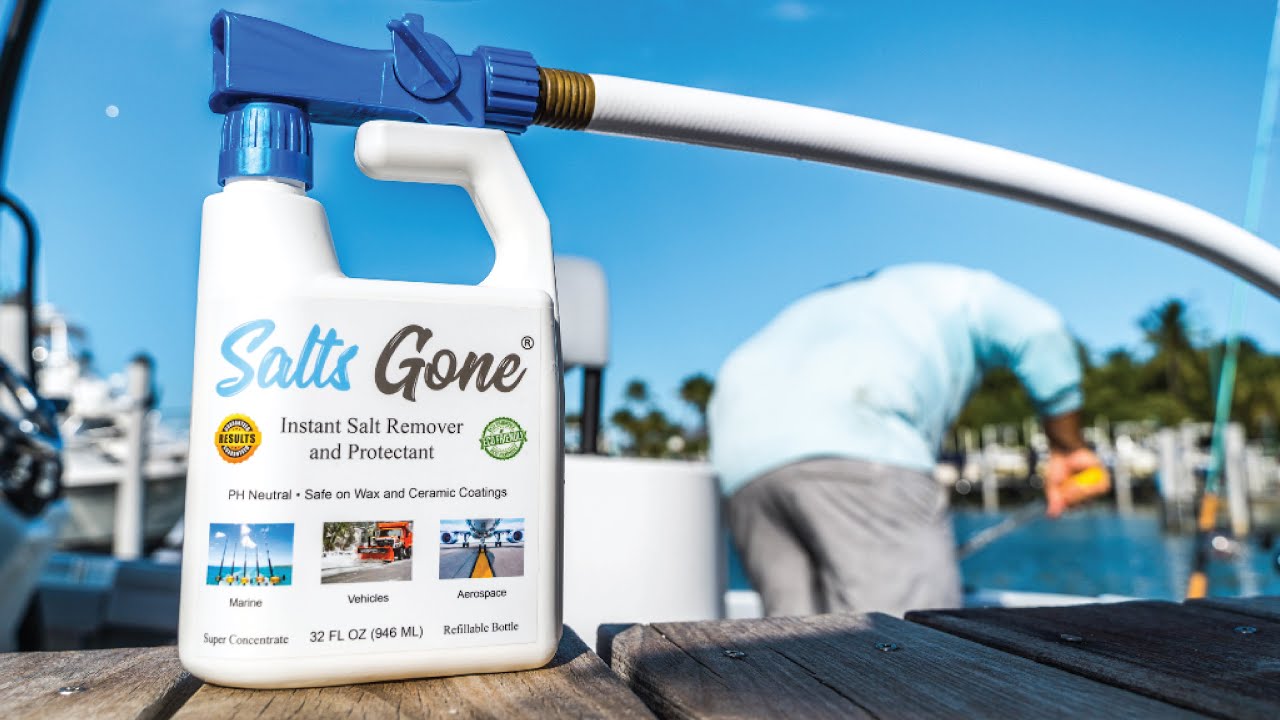
I sit down with Zach McAllister from Salts Gone to explain what a zinc anode actually does on your boat, why saltwater pulls electrons from the zinc instead of your motor, and the simple rule for when to replace it. A How 2 Tuesday tutorial.
Ceramic Coating for Your Boat: Is It Worth It?
I sit down with Zach McAllister from Salts Gone to answer whether a boat ceramic coating is worth it. We cover how the coating works at the microscopic level, why owners get little guidance after the sale, and how to maintain it so it keeps protecting your boat. A How 2 Tuesday tutorial.